Luz Jiménez was born in Seville in 1982, and from a young age alternated between artistic and technical training. She began her Fine Arts studies in 2000 and graduated from the Higher Technical School of Architecture of Seville (ETSAS) in 2010. Her final year project, “Sancti Petri,” was selected to participate in Archiprix International 2011 at the Massachusetts Institute of Technology (MIT) – Cambridge. She pursued further studies in various countries: Erasmus in Venice at the University Institute of Architecture of Venice (IUAV) and at the Higher Technical School of Architecture of Madrid (ETSAM) in Madrid. She has also participated in numerous international seminars and courses in Athens, Catania, São Paulo, Cambridge (MIT), Madrid, and Lisbon.
Her professional experience as an architect began while she was a student, collaborating with the TRB Jose Carlos Mariñas studio (2004-2009). Between 2010 and 2017, she collaborated as an architect with the firm Aires Mateus & Associates, developing projects from the concept phase through execution and construction. She also participated in numerous international competitions and, for the last four years, directed and coordinated the firm’s publications and exhibitions department. Her enthusiasm for learning, coupled with her interest in teaching, led her to begin her doctoral studies in 2012 at the Faculty of Architecture of the University of Lisbon (FAUL) while working at Aires Mateus. During this time, she also studied printmaking techniques at the Faculty of Arts and other workshops in Lisbon, and for five years was part of the Contraprova workshop. She considered transferring her doctoral studies to the University of Westminster in London, but ultimately decided to pursue a more personal and less academic path, combining artistic and technical disciplines. Her experiences as a lecturer and teacher have taken her to various institutions, including Westminster University’s Faculty of Architecture (UW_FA), the Faculty of Architecture of the University of Lisbon (FAUL), the University Institute of Architecture of Venice (IUAV), and the Higher Technical School of Architecture of Seville (ETSAS).
She returned to Seville in 2017 and founded LocalX, repurposing an abandoned warehouse, formerly used for goldsmithing, in an artisans’ courtyard on Bustos Tavera Street. This warehouse had recently been demolished and, with a building permit, transformed into yet another housing complex intended for temporary residential use. The process of forced eviction led her to begin filming a documentary about urban transformations and the relationship between regulations and culture, a project that partly underpins this proposal. LocalX was conceived as two worlds, connected by a staircase: the lower level as a printmaking and artistic experimentation workshop, and the upper level as a collaborative studio for various disciplines.
LocalX has developed projects of diverse nature and scale, including architectural intervention and rehabilitation projects, landscaping and interior design, cultural management and artistic creation, exhibitions, limited-edition author series, gastronomic events and concerts, and summer film screenings… in locations as diverse as Bilbao, Ribeira do Douro, Vejer, Seville, Las Palmas de Gran Canaria, Lisbon, Cádiz, Salerno, Frankfurt, Citadella, Gines, Aracena, La Ronda, Canta la Rana, Allariz, Villaboa, Toril, La Robla, Villaquilambre, Soler, Cáceres, Venice, Jerez, Aznalcázar, and Palma de Mallorca. We are currently in a nomadic phase, reformulating our working model to adapt to changing paradigms while we renovate our future headquarters.
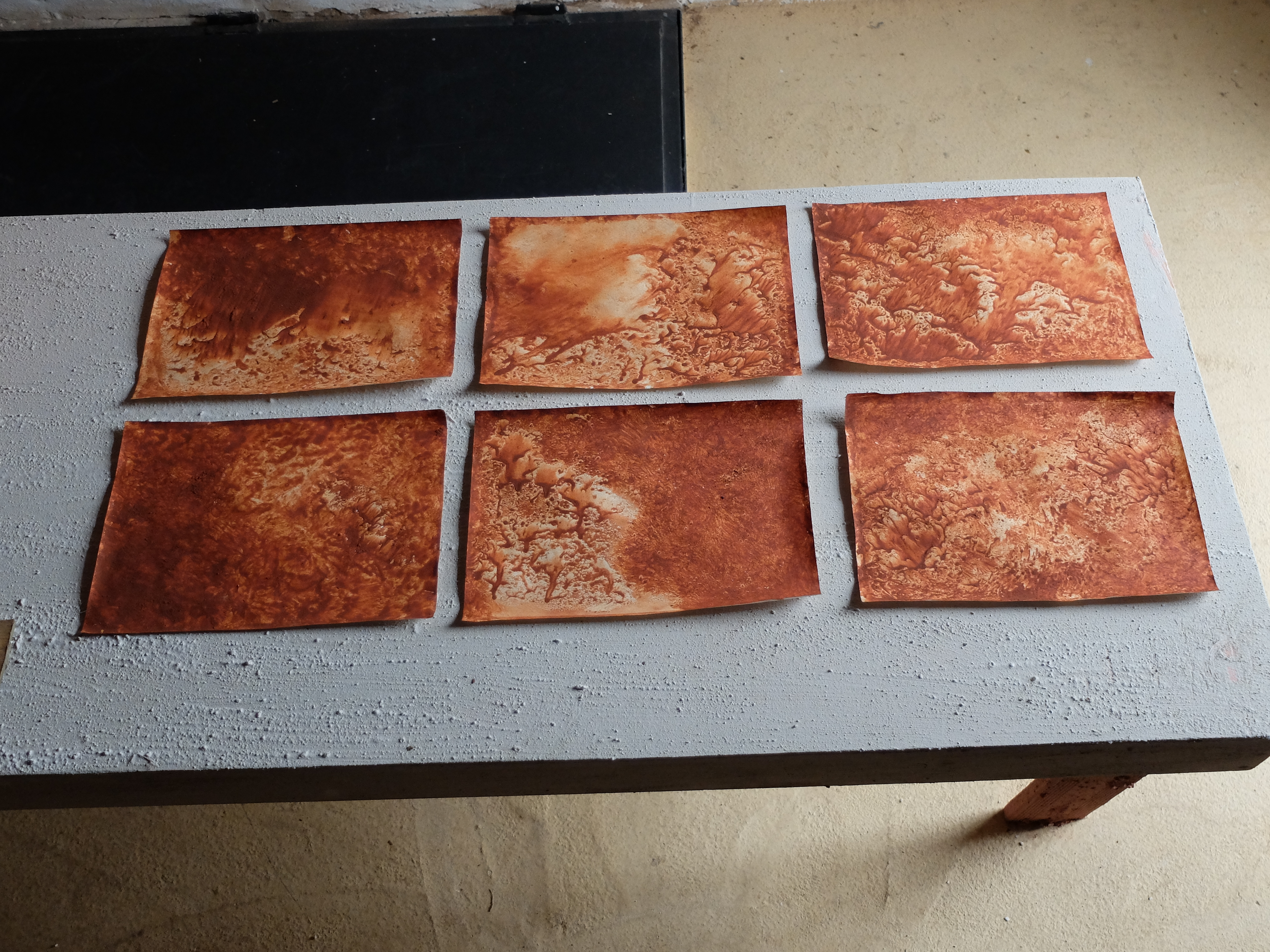
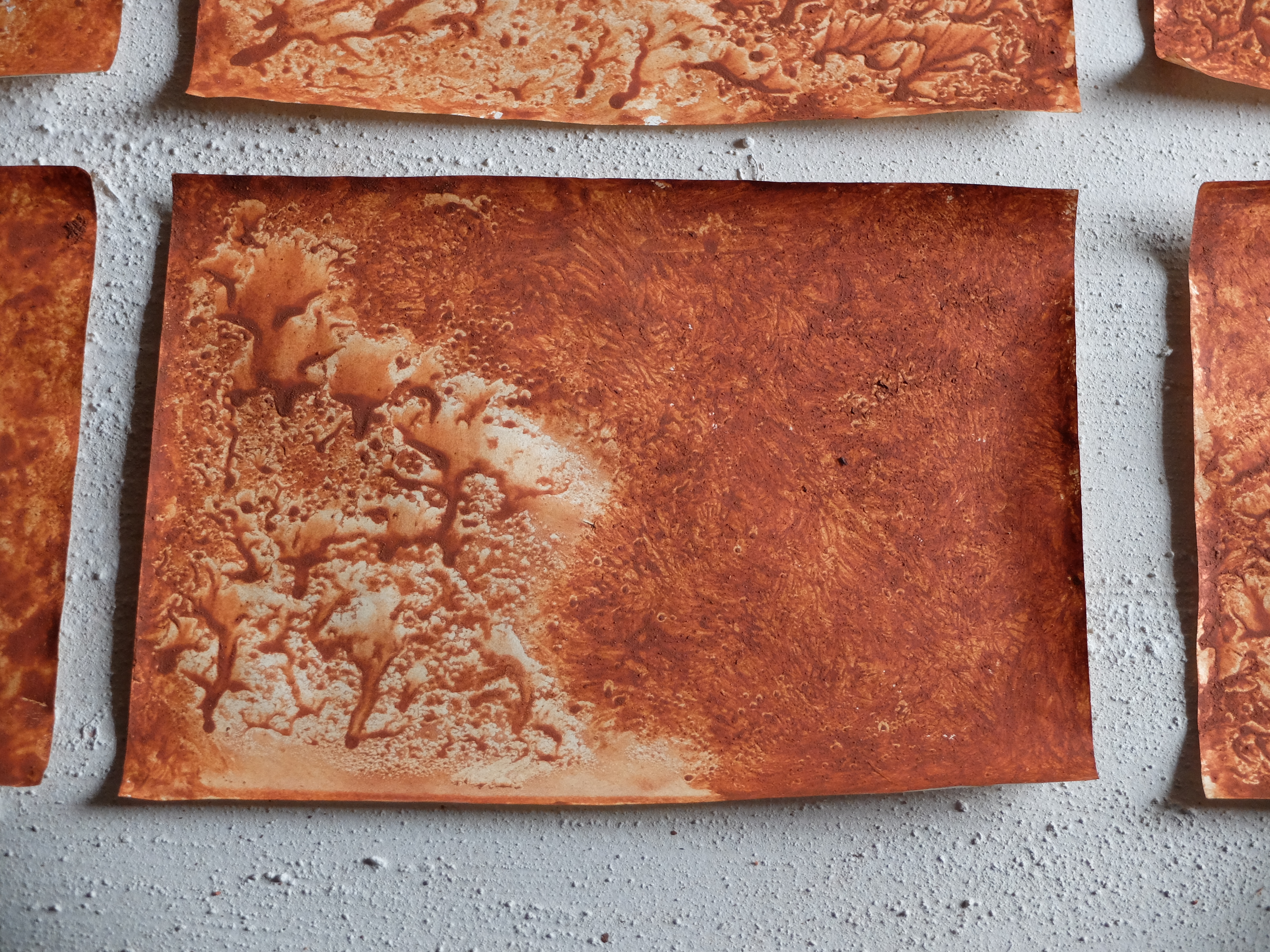
I arrived at El Hacedor with a prior understanding that gave me a sense of direction, believing that during my residency I would be able to explore an issue that has long been at the heart of our approach to projects and which leads us to ask the question that encapsulates the contemporary dilemma:
¿QUÉesCULTURAxaDERRIBAR? (WHATisCULTUREtoDEMOLISH?)
To persist over time is something contradictory and surprising, given that reality is perishable, in life and in construction.
First impressions seemed to confirm the declaration of a state of ruin; Burgos is a province full of abandoned villages inhabited by silence, a territory littered with ‘for sale’ signs on their façades, many of them in poor condition or reduced to fragments of stone and adobe, belonging largely to a heritage that can be defined as popular or vernacular architecture.
The digital advertisements invariably included a constant reference: the information that permission had been granted by the local authorities for their demolition, whilst also confirming the possibility or viability of their conversion into tourist accommodation.
Everything is for sale: little houses for sale, villages for sale, culture for sale, honey for sale…
Travelling via various modes of transport and physical and digital media, we were surprised to confirm that whilst the news and newspapers warn of the silence and abandonment of a way of life and a model of living, this is not the reality of rural life; rather, the reality is quite different. It is not that it is in danger of extinction, but rather that it is in a state of decay, as the places and their inhabitants have shown us a version of this story that is very far removed from that narrative.
EFIMERA, a fleeting, short-lived condition that fades with time; it refers to that which passes through the ephemeral, something lacking in durability.
Is that the contemporary paradigm, is that the culture we must dismantle?
Those who reside, who inhabit the place, emit a familiar sound; those who pass through or visit are unaware that in doing so they are an alien noise; they whisper to the walls and built structures, demanding other forms of urbanism, recognising other models of coexistence and other dynamics of living. The weekenders are only there at weekends when the weather is fine; tourists or visitors merely pass through in the delight of a getaway or a break. A constant procession of people from very diverse backgrounds, whose origin and destination are variable, depending on the motivation that brings them there.
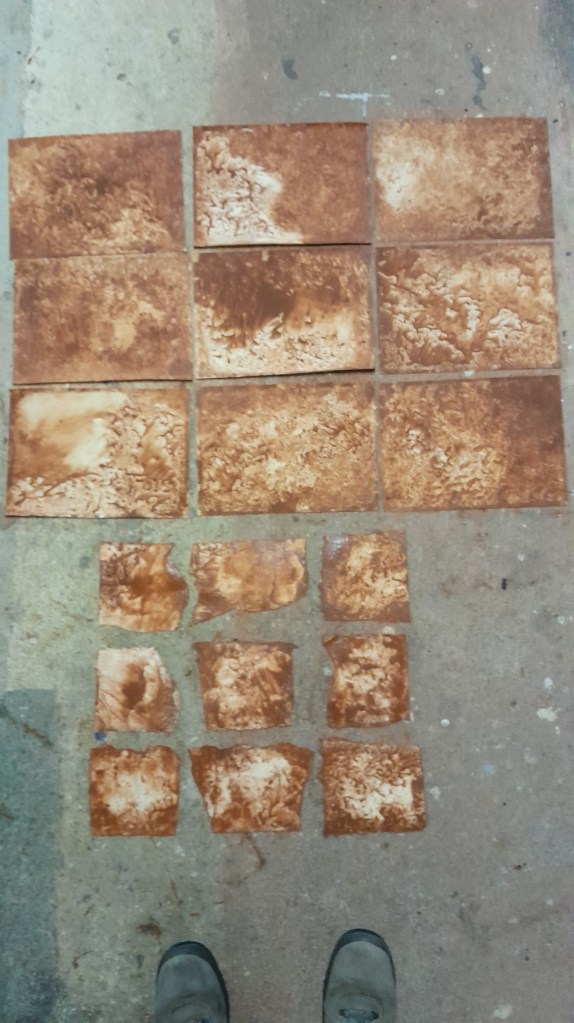
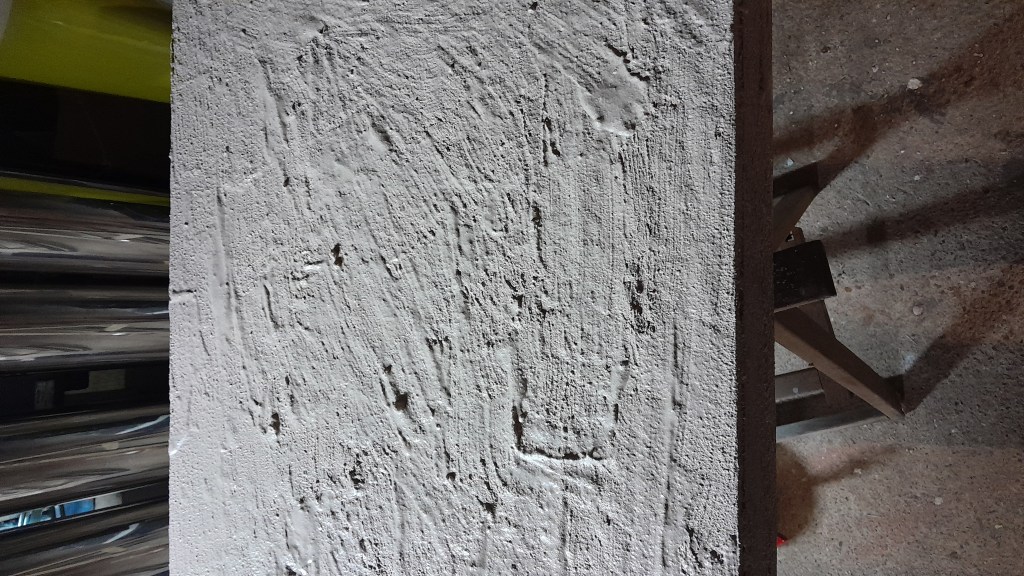
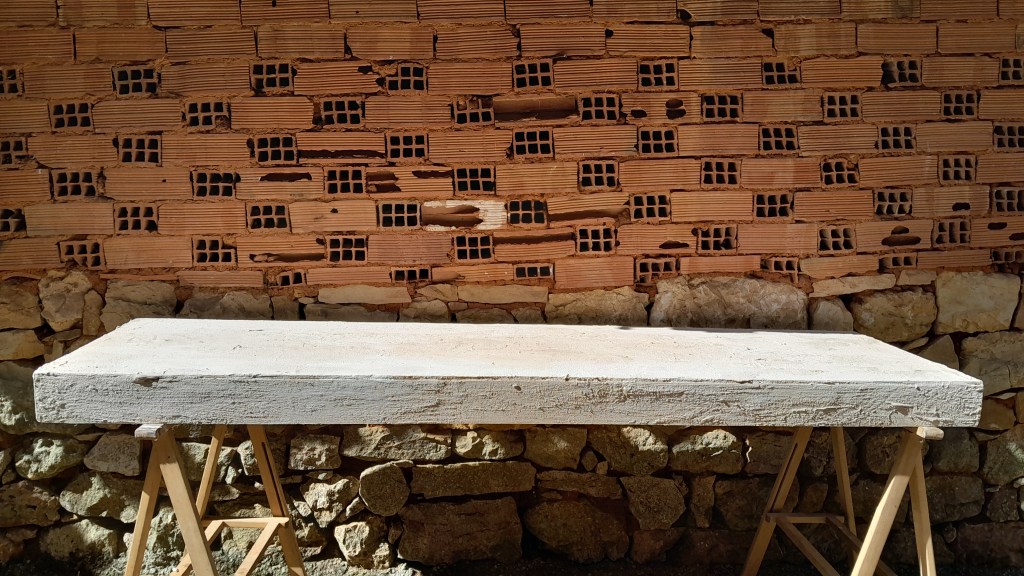
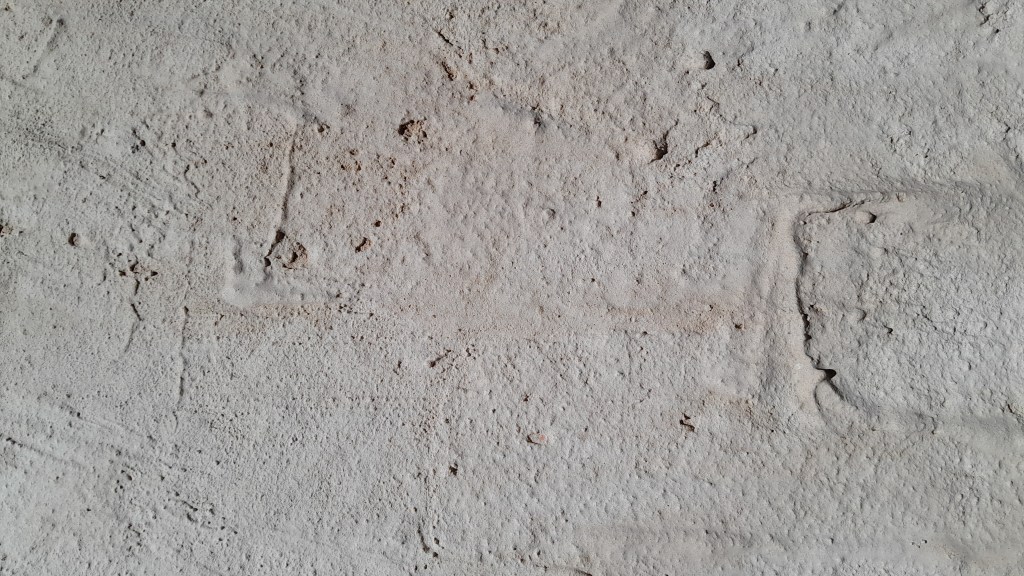
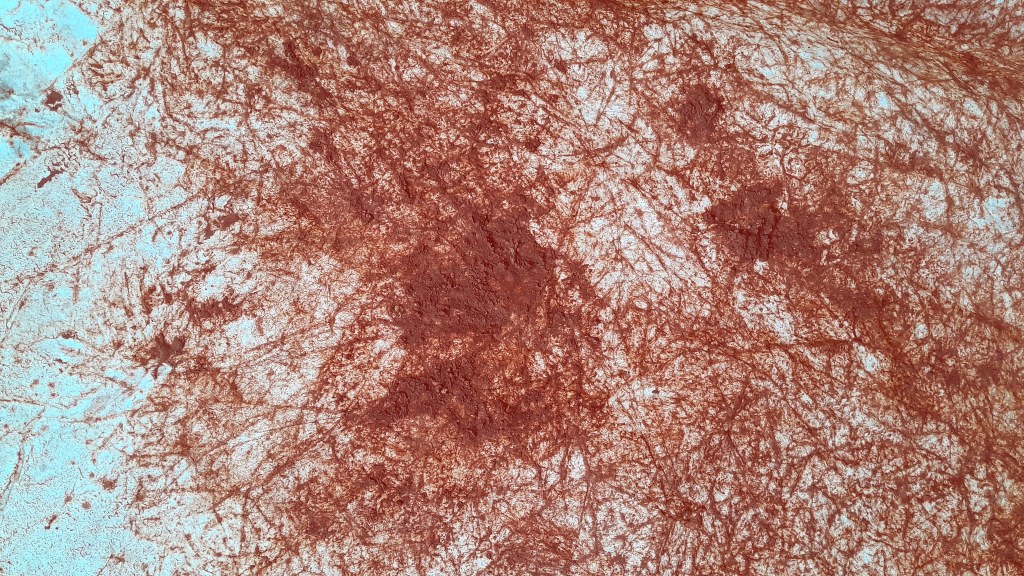
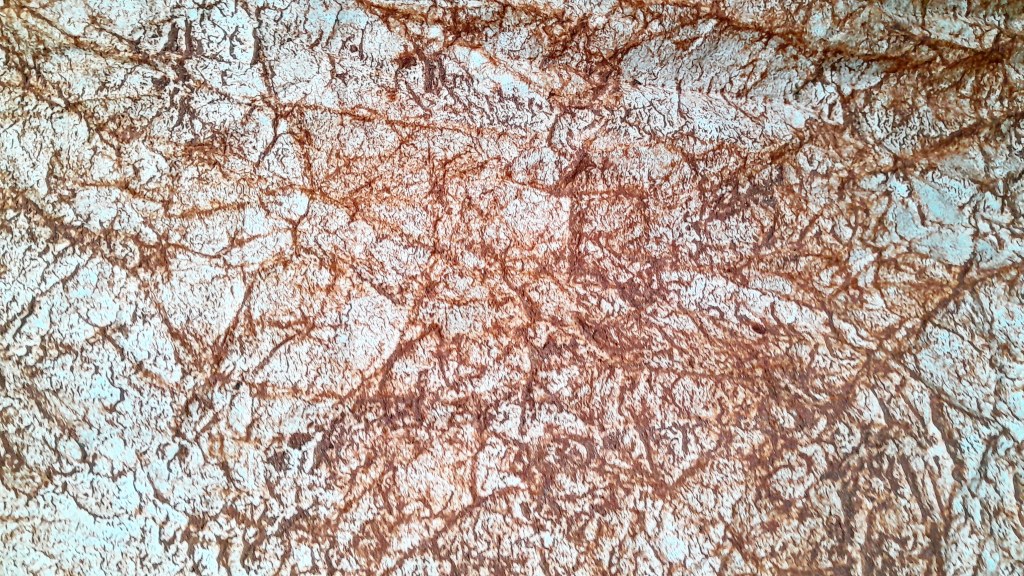
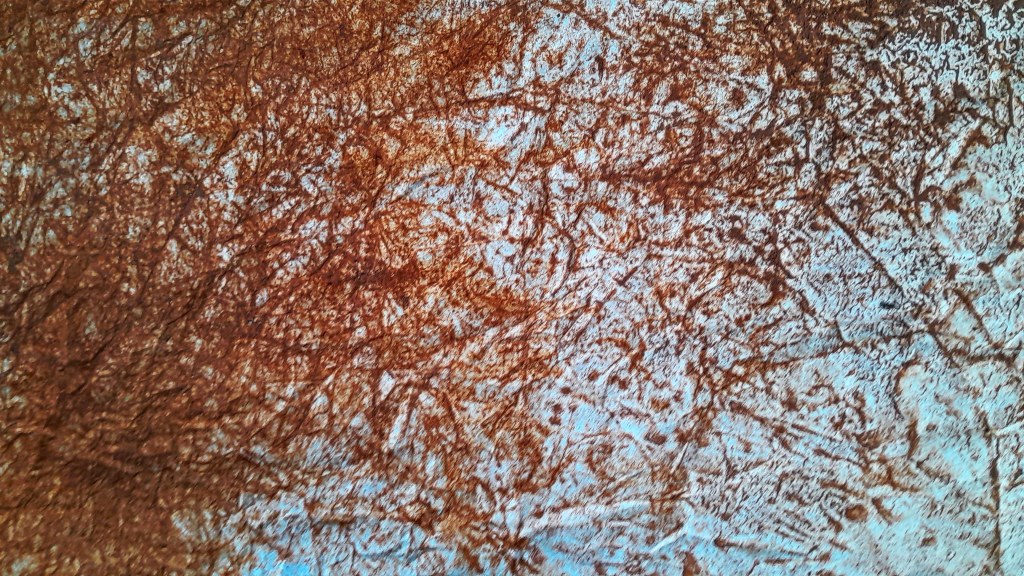
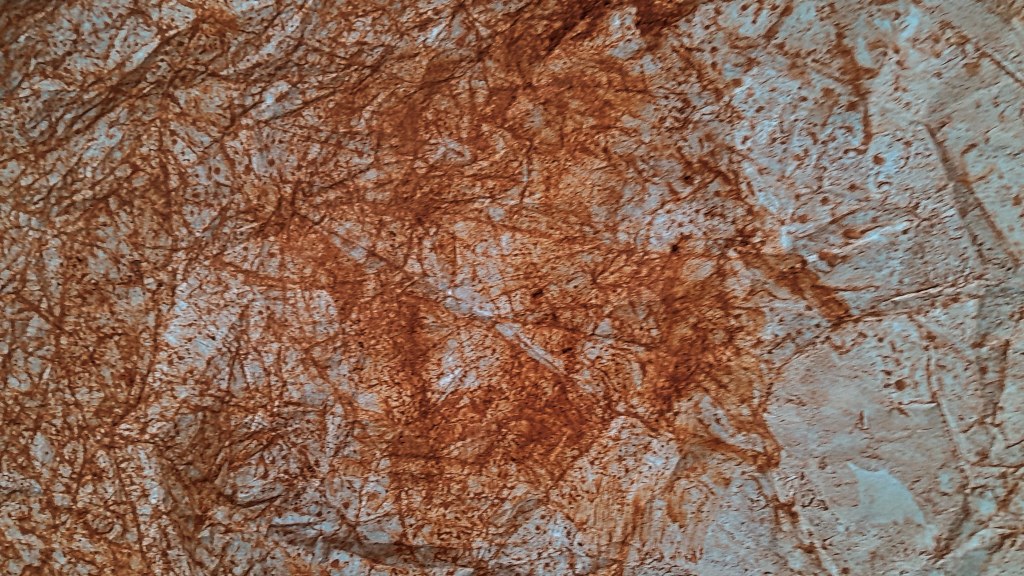
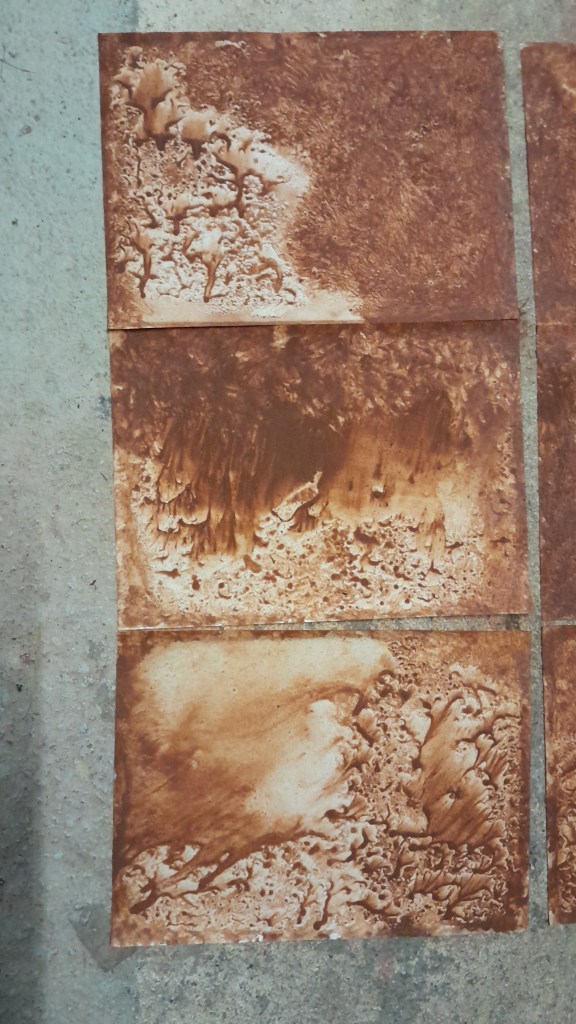
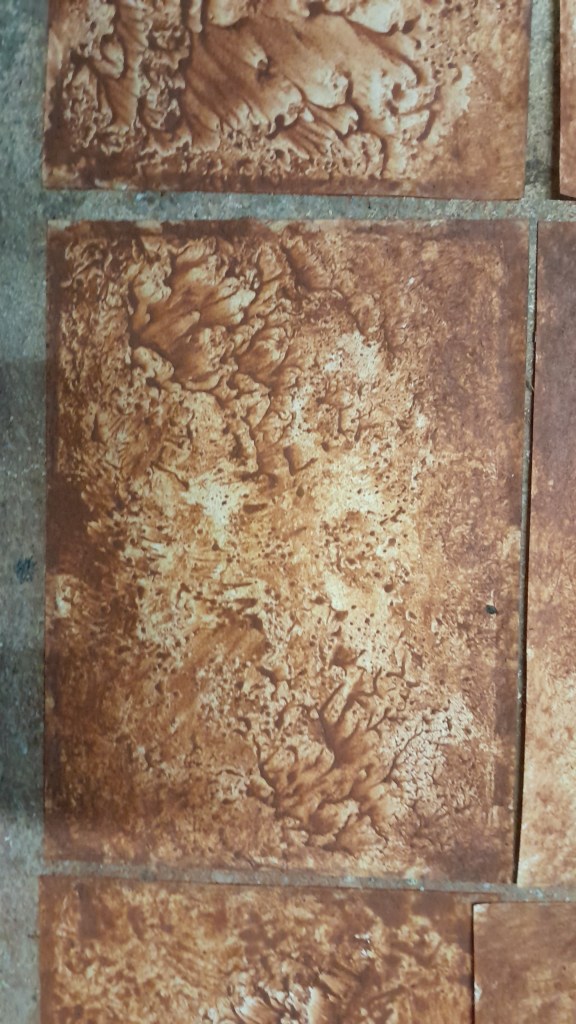
Our proposal has taken shape through two materials: PAPER and CLAY. These materials connect the fragility and precariousness of this situation with the current absence of a sense of scale or distance—a phenomenon that has been latent for several years and is a consequence of the advance of digital technology and individual mobility, which makes it possible to live seasonally, always straddling the urban and the rural. For some, this is a way of living; for many others, it is a form of visiting or travelling; yet, on paper, it represents a new way of consuming the land.
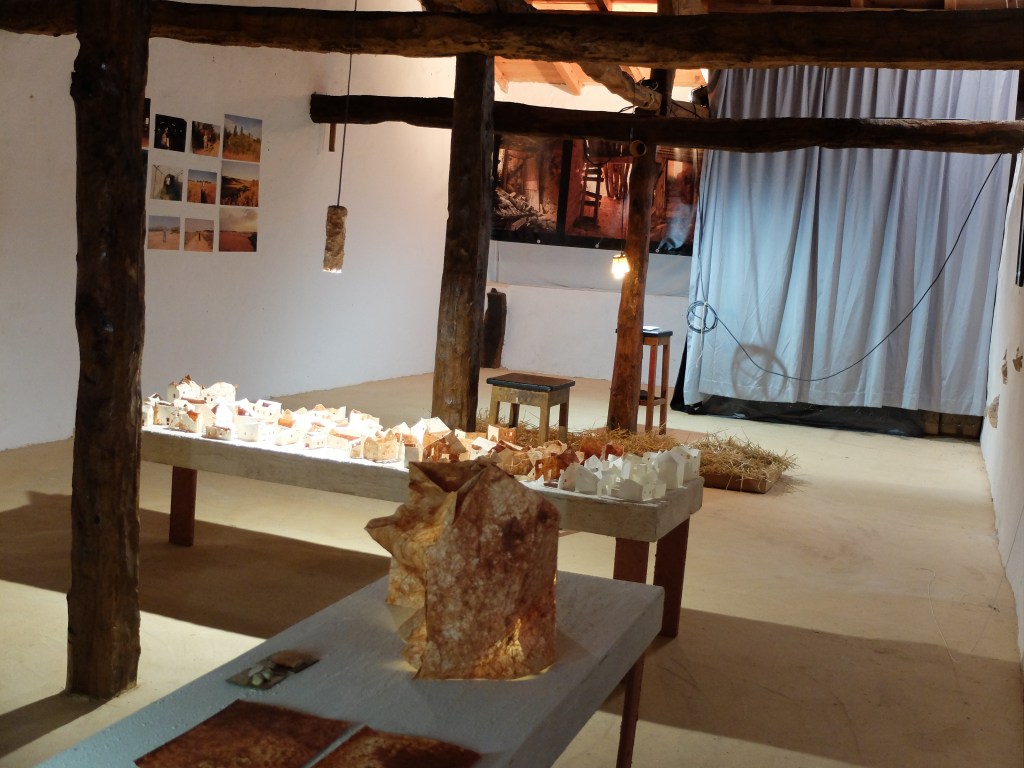
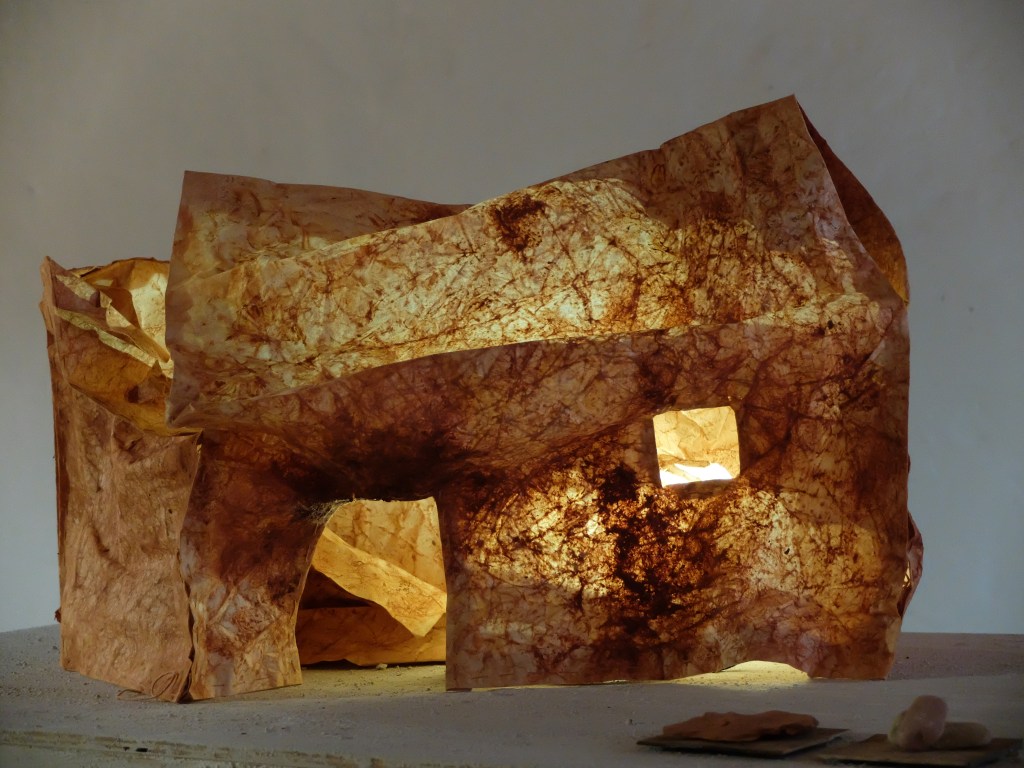
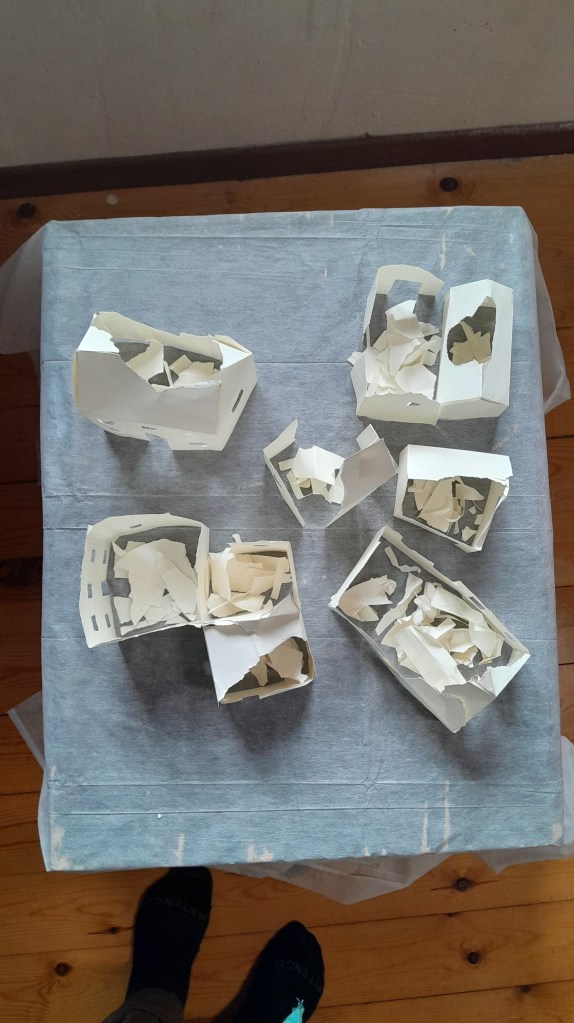
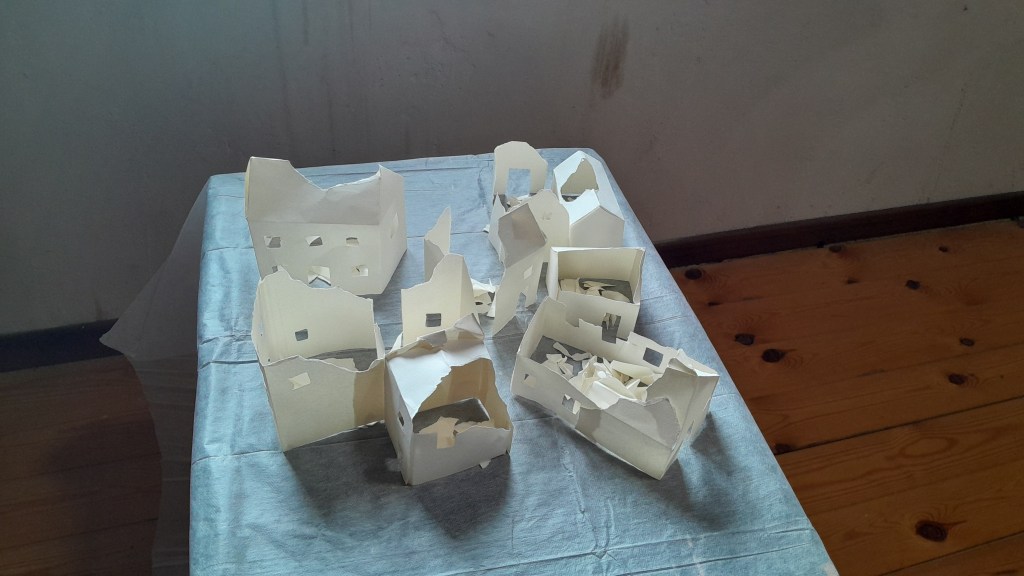
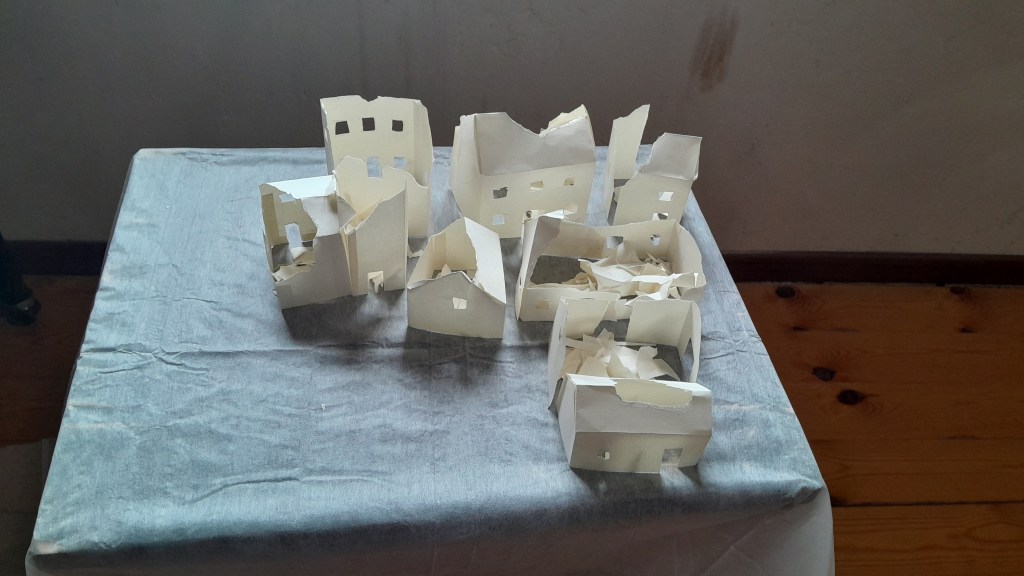
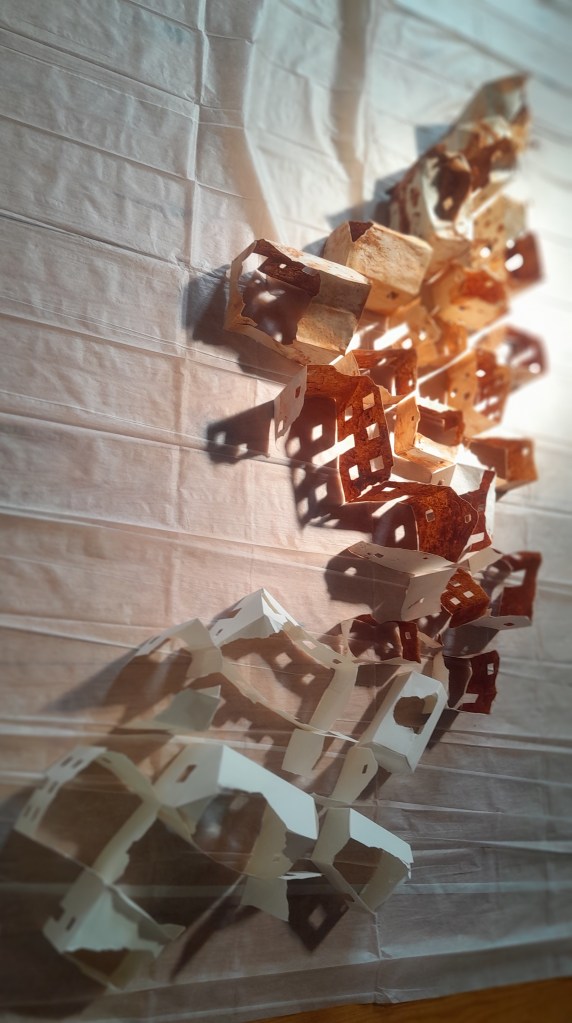
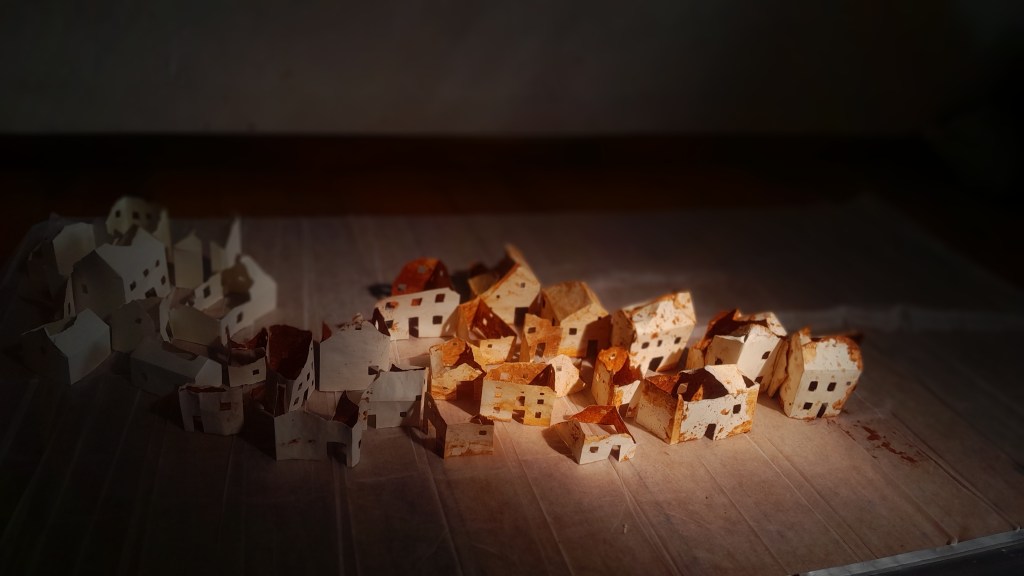
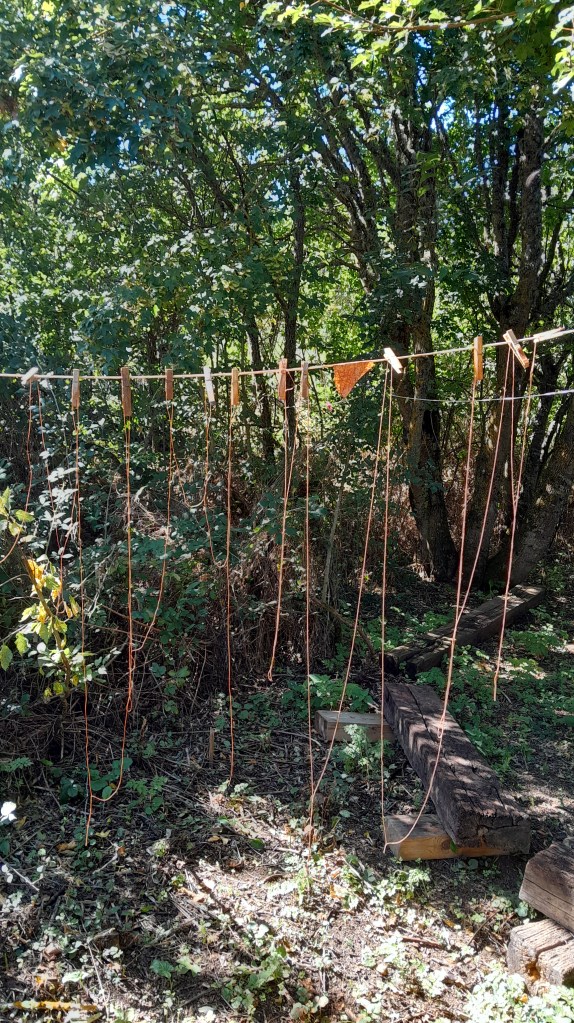
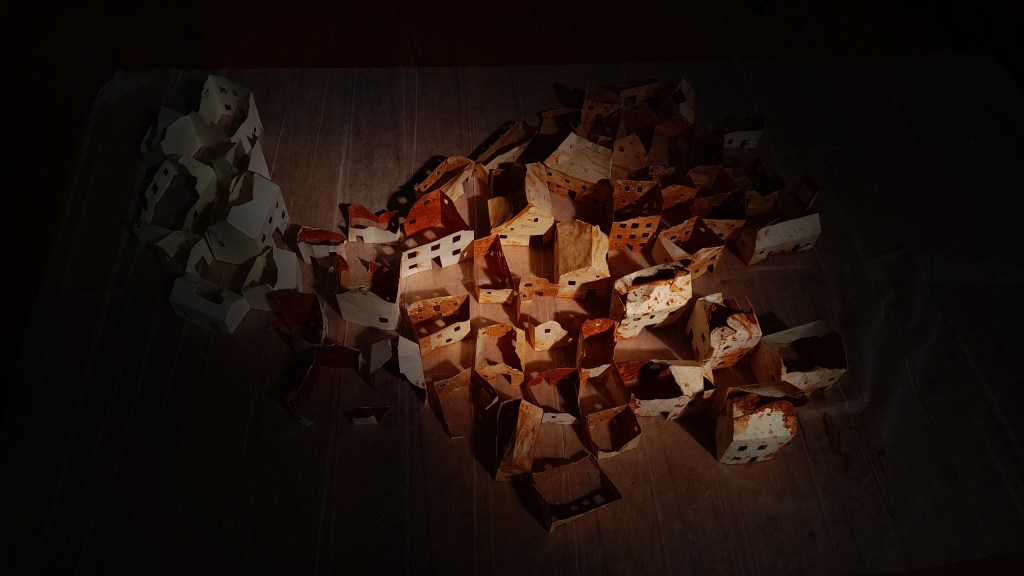
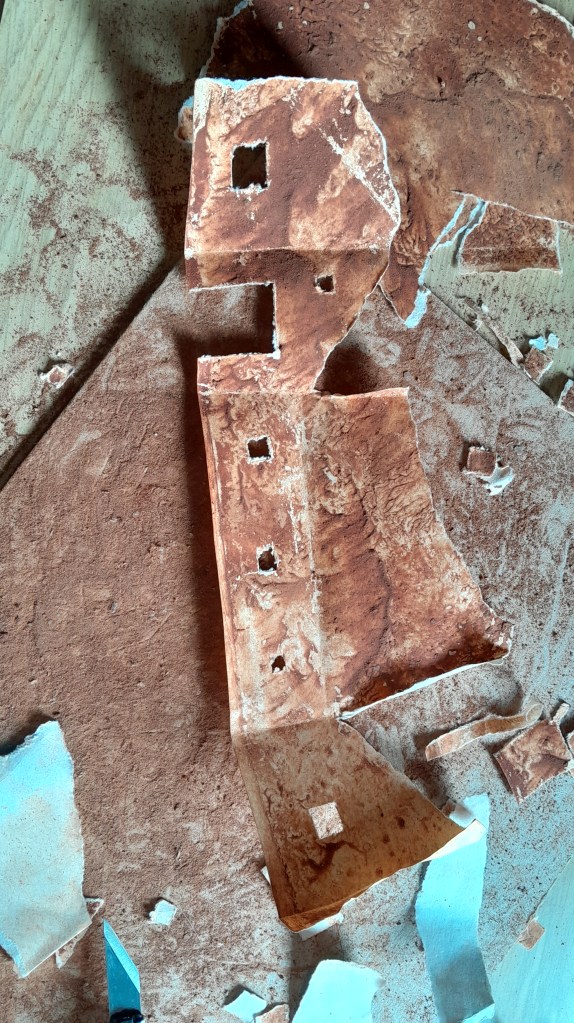
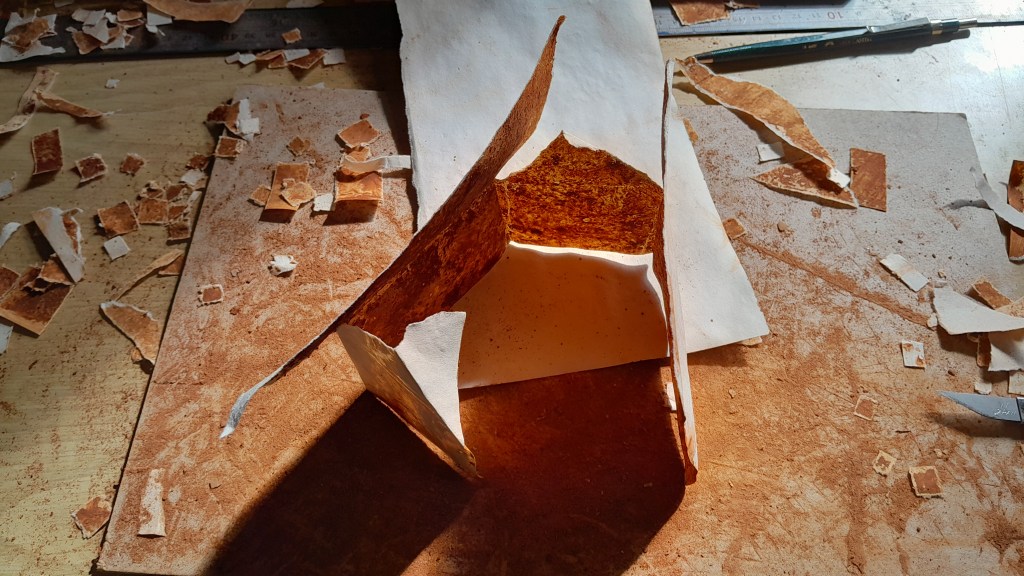
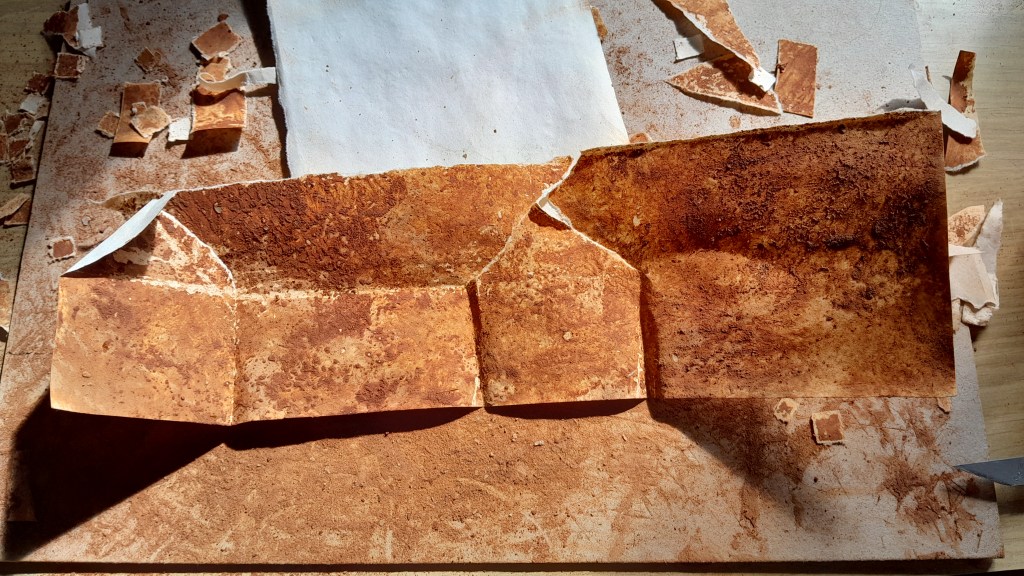
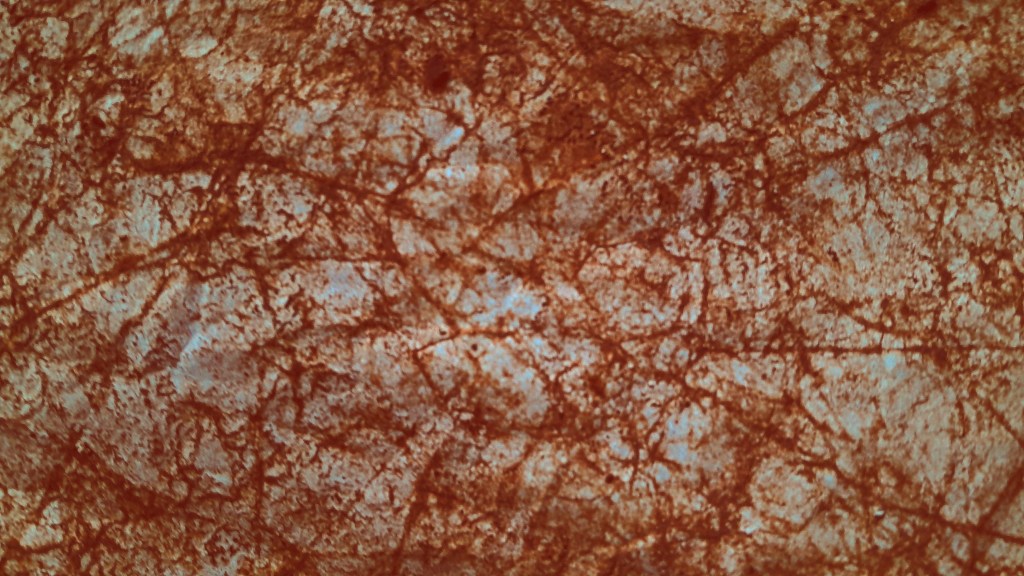
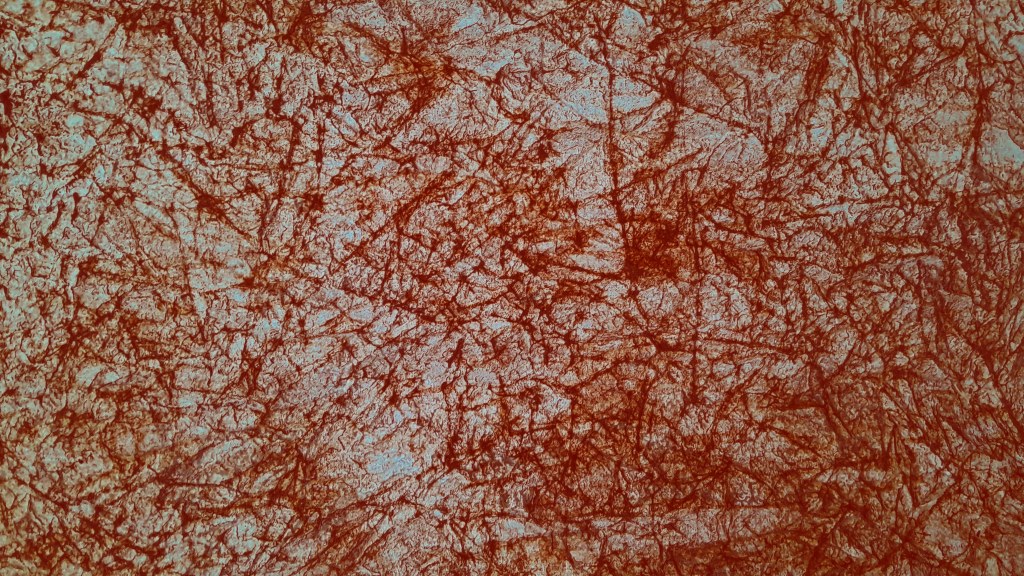
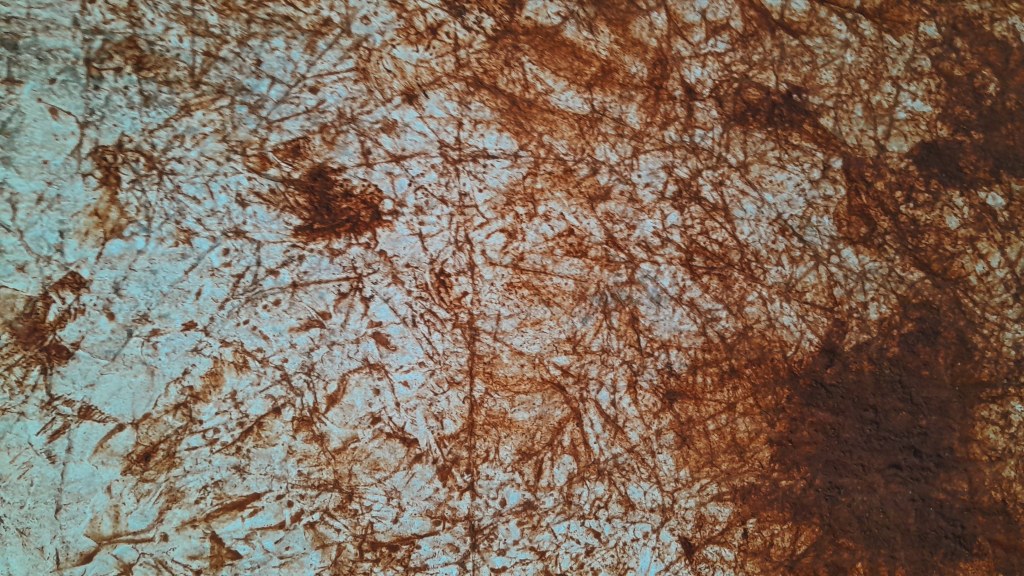
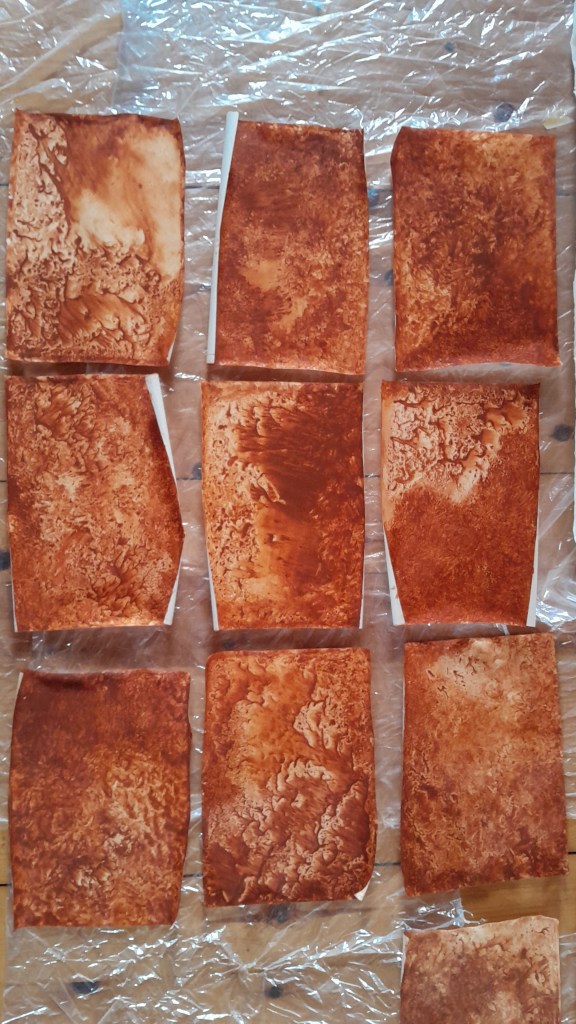
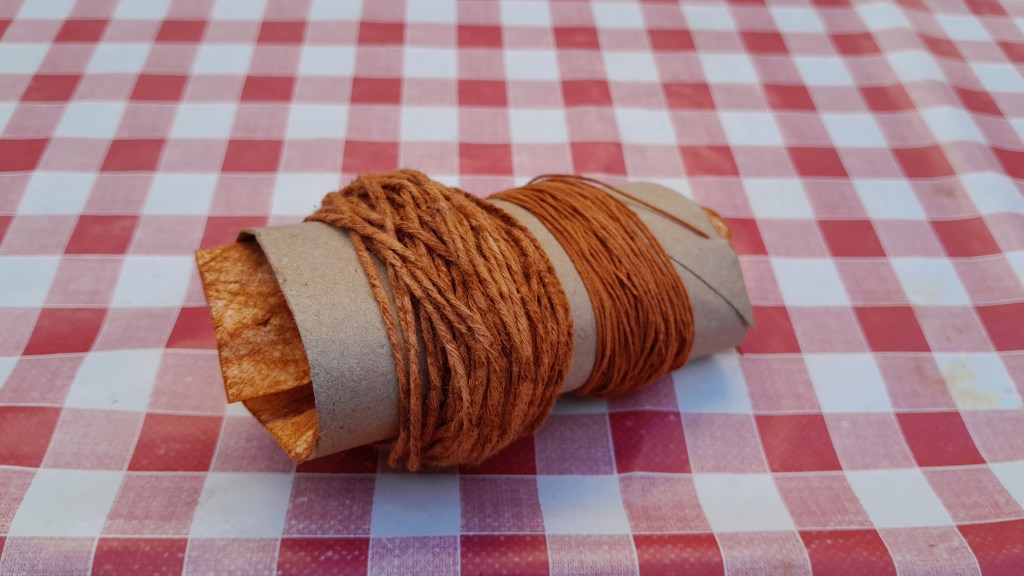
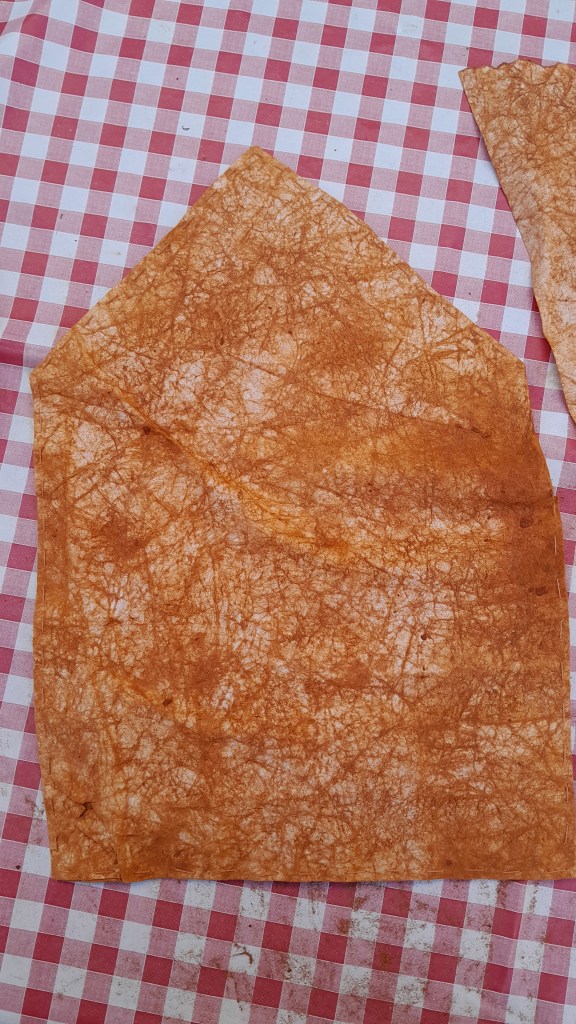
PAPEL, BARRO, HILO Y AGUJA (PAPER, CLAY, THREAD AND NEEDLE): a little house without dolls, made from five sheets of recycled paper; a paper architecture installation.
A house in ruins is apparently cheap. It offers a whole host of possibilities; you can easily renovate it, and current regulations and assessment criteria suggest it has great heritage value.
Look beyond the superficial and the obvious, and we can uncover the pitfalls woven into the history of the property. One need only look at the details of everything built in recent years. These are all very diverse and striking examples that warn us that, when building on existing structures, one must always tread very carefully.
It is not enough simply to replicate; it is not just a matter of criteria, aesthetics or appearance. The essence of a culture survives if it is inhabited in an inherent way, with the quality to adapt to the natural changes in our ways of life.
Value is not the same as price, and ultimately it is not all a matter of budget; the tradition of artisanal building depended on a shared know-how that has almost been lost, like the craftsmen who knew how to build rammed earth walls and who today fill documentaries, shelves and books.
The issue is highly complex when it comes to building on these fragile structures, as it is far easier to build using techniques common in the urban world, whilst the use of adobe, rammed earth and timber structures is virtually non-existent in such projects.
Essentially, undertaking a project using these materials is a real challenge, particularly when it comes to structural calculations; and let’s not even mention the ingenuity that engineers have to employ when drafting documents to demonstrate compliance with other regulations such as the CTE, not to mention the issues with insurers…
Because it is utterly surreal that the same building regulations apply to new-build projects as to work on built cultural heritage which, on paper, is not considered valuable unless it is listed.
However, the cultural value associated with all these little houses together creates a landscape that embodies the identity of an entire region.
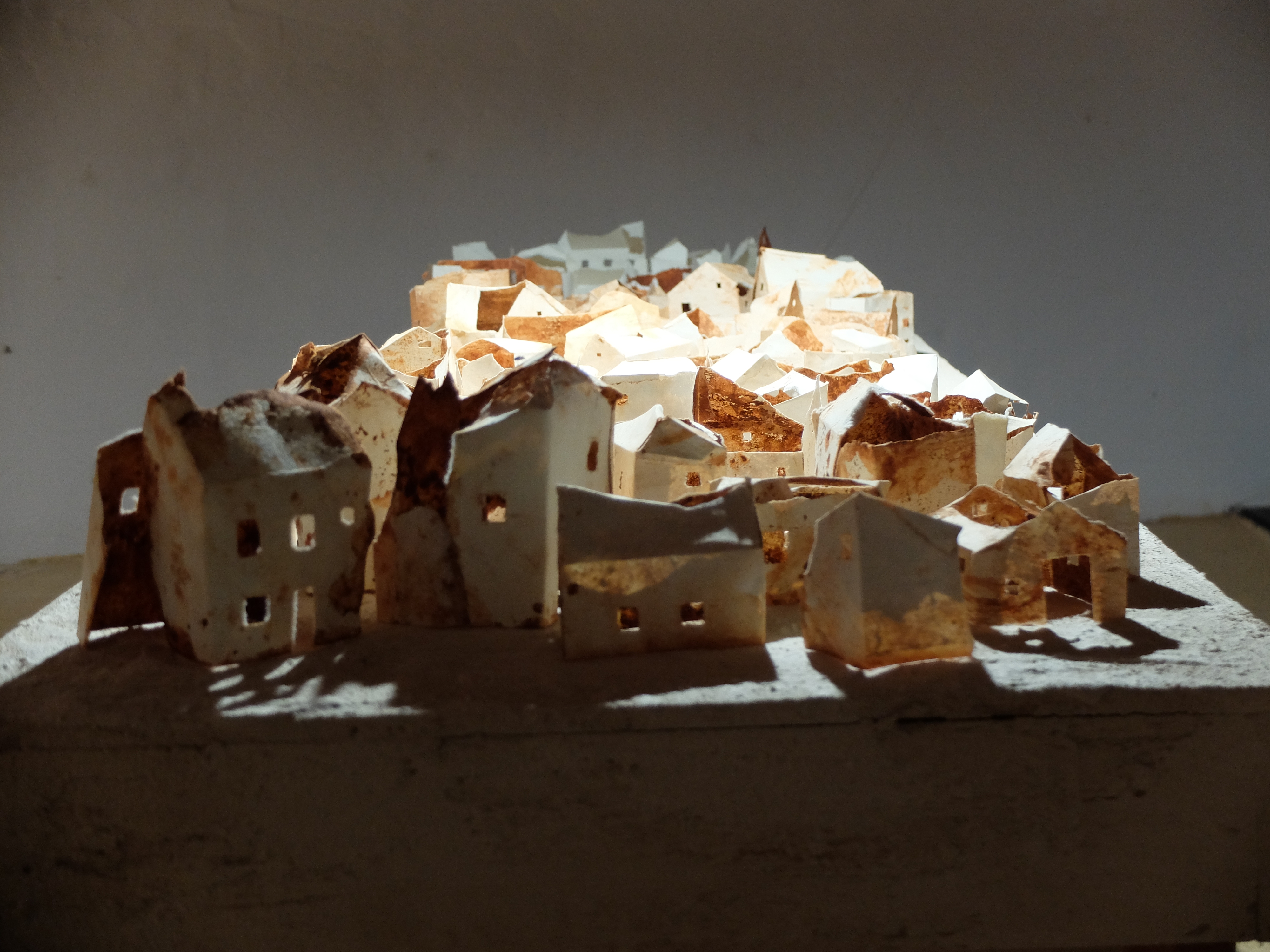
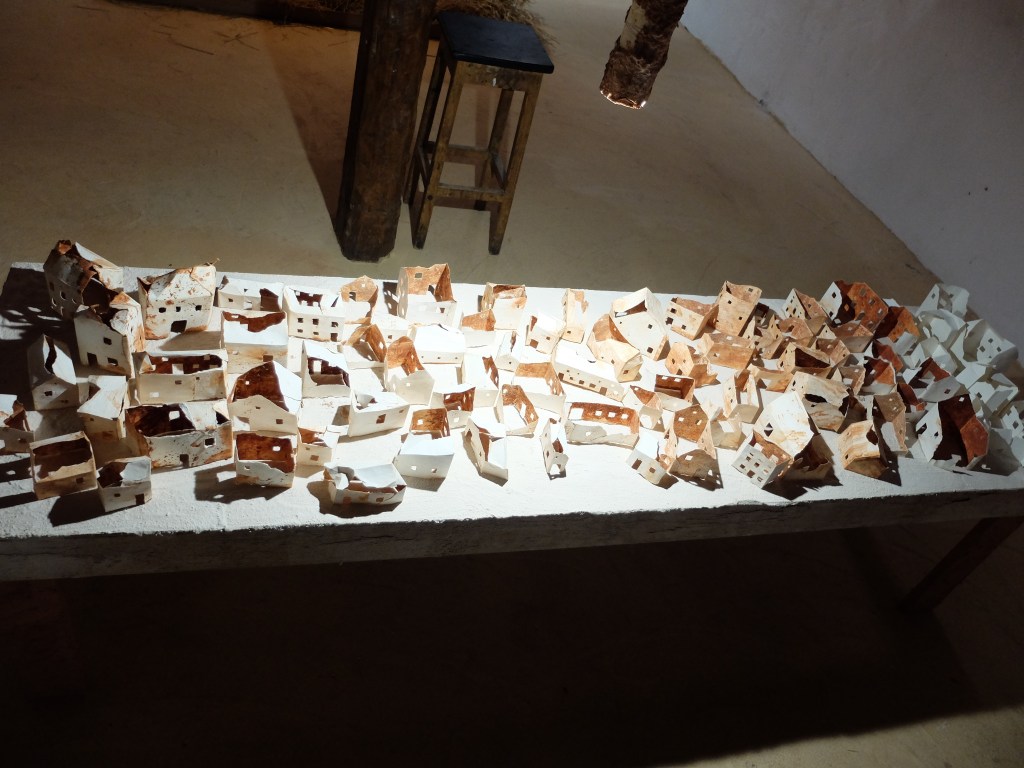
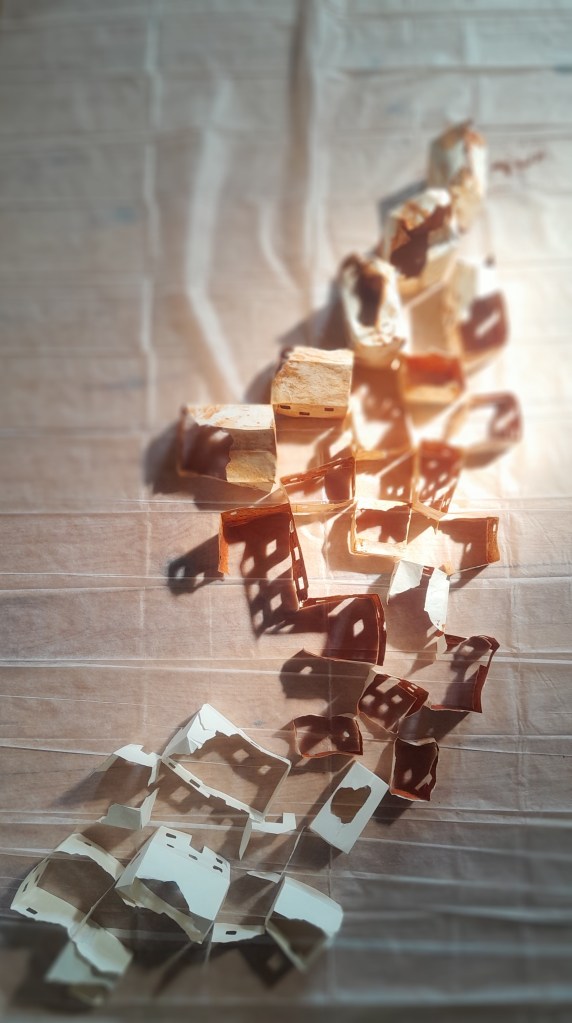
PAPEL, BARRO Y TIJERAS (PAPER, CLAY AND SCISSORS), a collective and individual game: 80 little houses built from 20 sheets of recycled paper, a paper architecture installation.
The contradiction is the same one that now leads us to believe that the city no longer seems so attractive or fabulous to us, after almost a century of having consolidated it and especially after having been confined within it and having had our privileges as city dwellers curtailed.
Residents are pushed out of the city centre to make way for the tourists who visit us, so they live on the outskirts and seek a more measured life, a life in a more natural environment when they can escape from it.
As a result, many people have bought a small cottage or decided to restore an old family home.
The new reality is that many of the ruins featured in so many books as abandoned houses are now second homes to which people return from the city, for to live permanently in the countryside one must adopt a different mindset and perspective, with a different understanding of what is accessible and comfortable, of what is temporary and enduring.
In La Bureba, the land has always been considered suitable for diverse crops, a historically cultivated cultural landscape; yet now agricultural work provides a livelihood for a viable but far less profitable way of life—at least not as it was before—so new crops must be introduced, whether intensive or extensive, natural or artificial.
The materiality of rural architecture—this building culture, an essential component of our landscape—is thus lost with the importation of these building methods. The paradigm shift does nothing but eliminate existing value, ultimately destroying the rural landscape to transform it into yet another example of a place with no identity, akin to any built-up urban periphery.
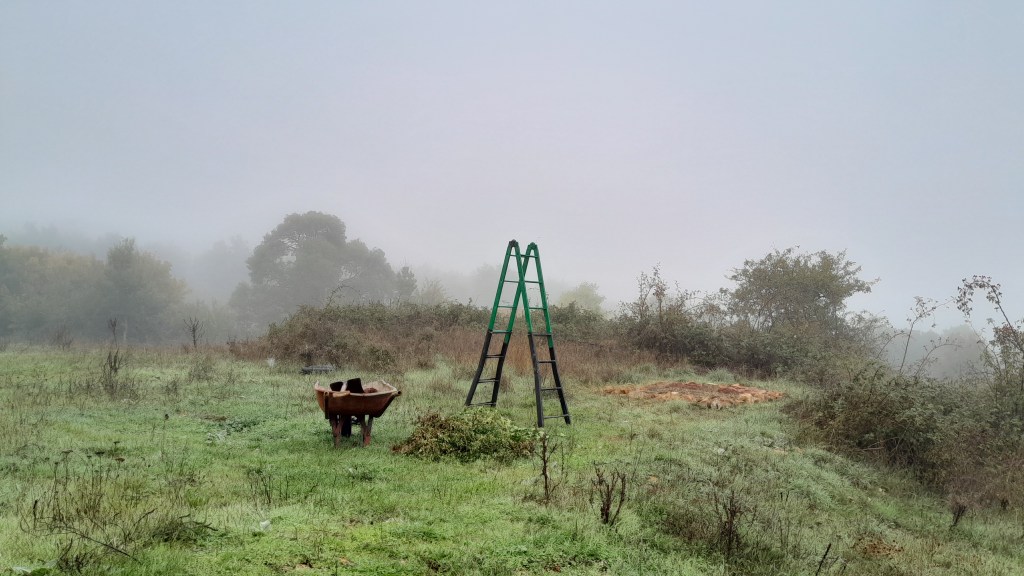
My initial proposal was to create a place where one could sit, contemplate and reflect, in a location chosen for its orientation and topography. This allowed us to witness both the sunrise and the sunset, in a dialogue between these two ways of living, since: the man who works looks towards the sunrise, the man who rests looks towards the sunset.
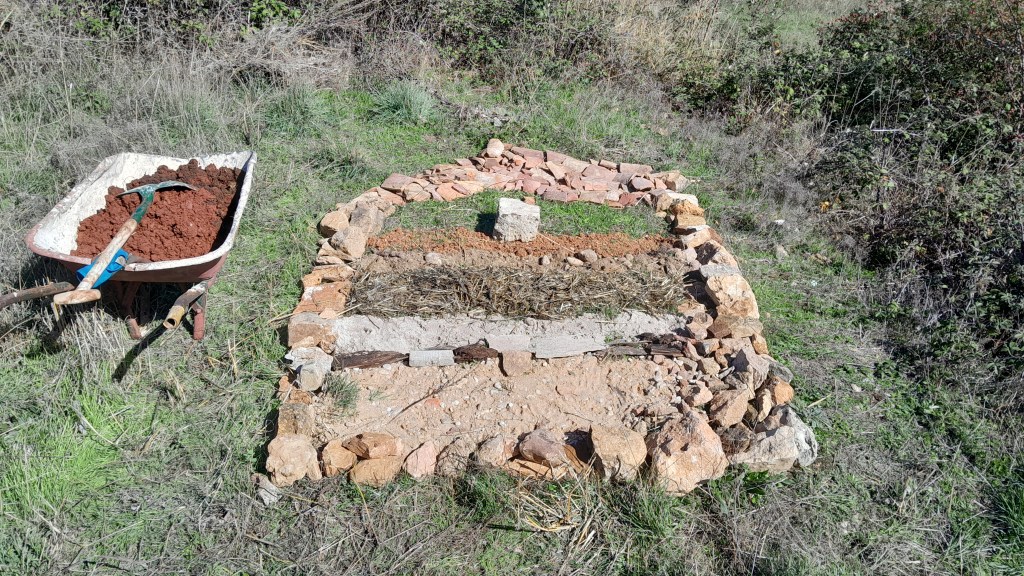
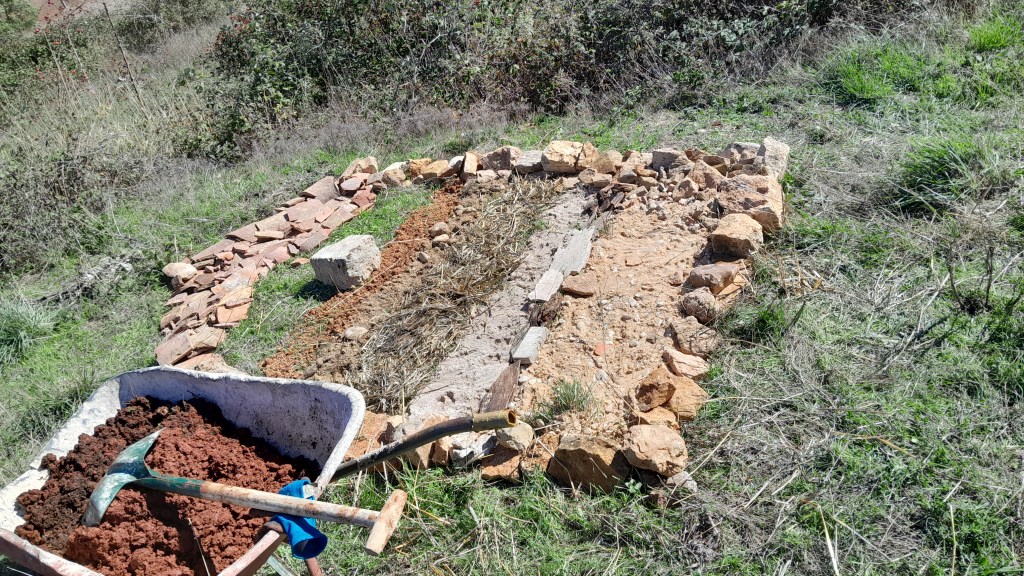
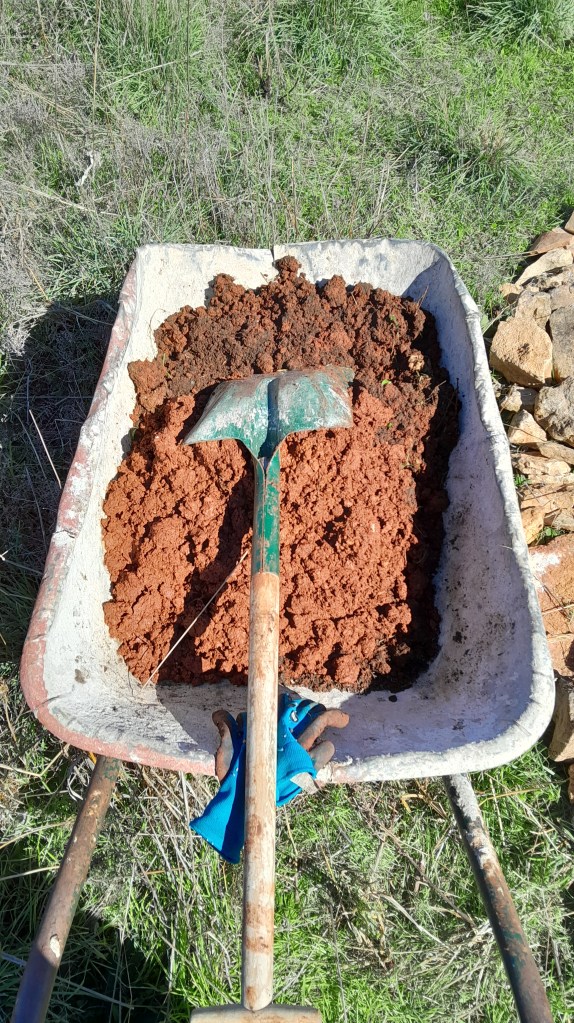
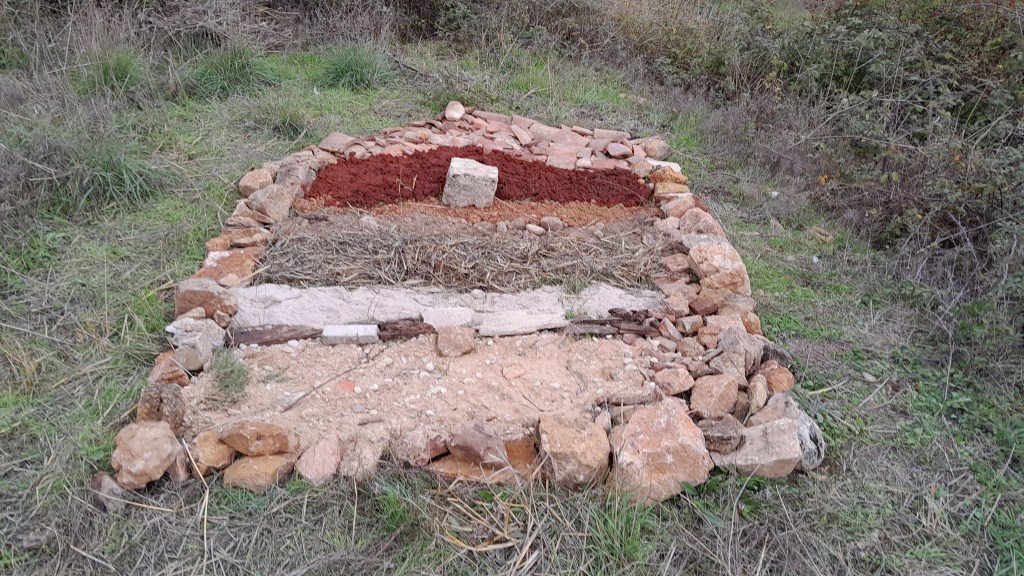
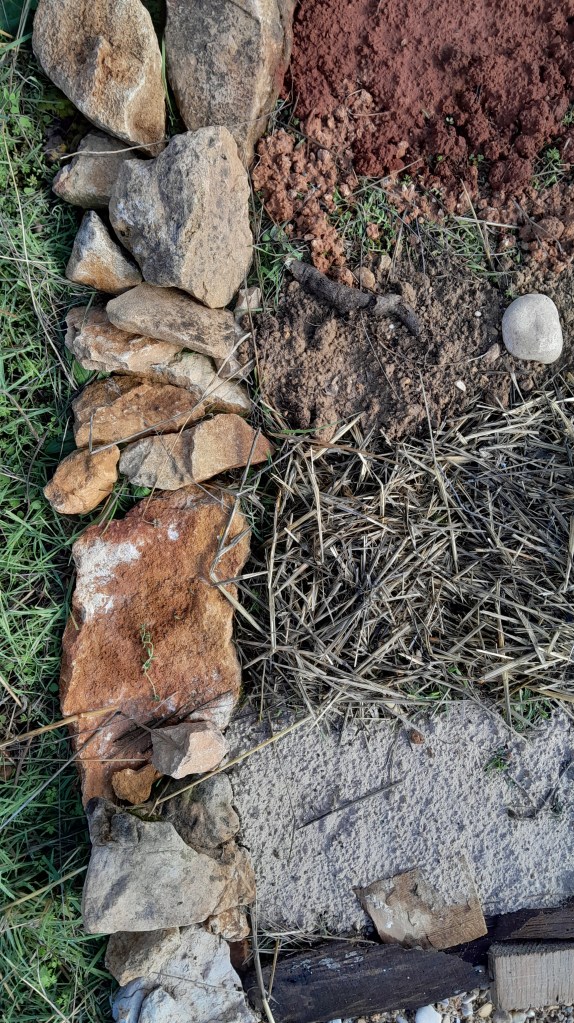
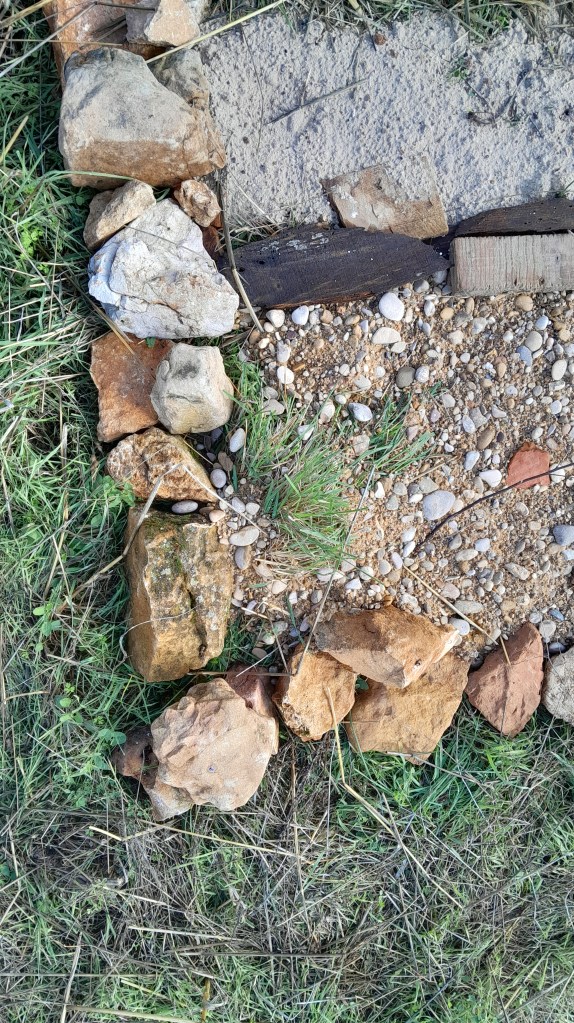
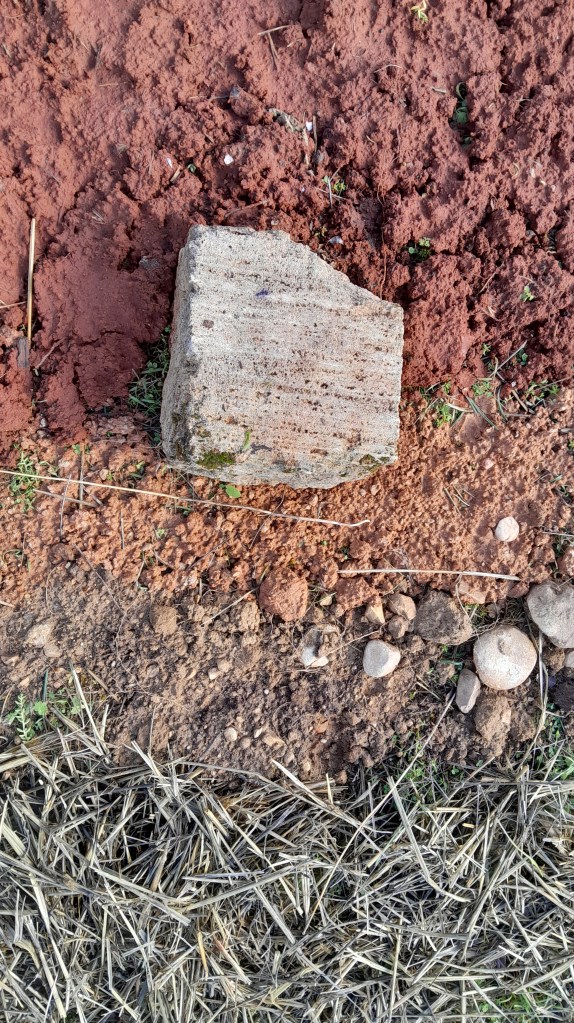
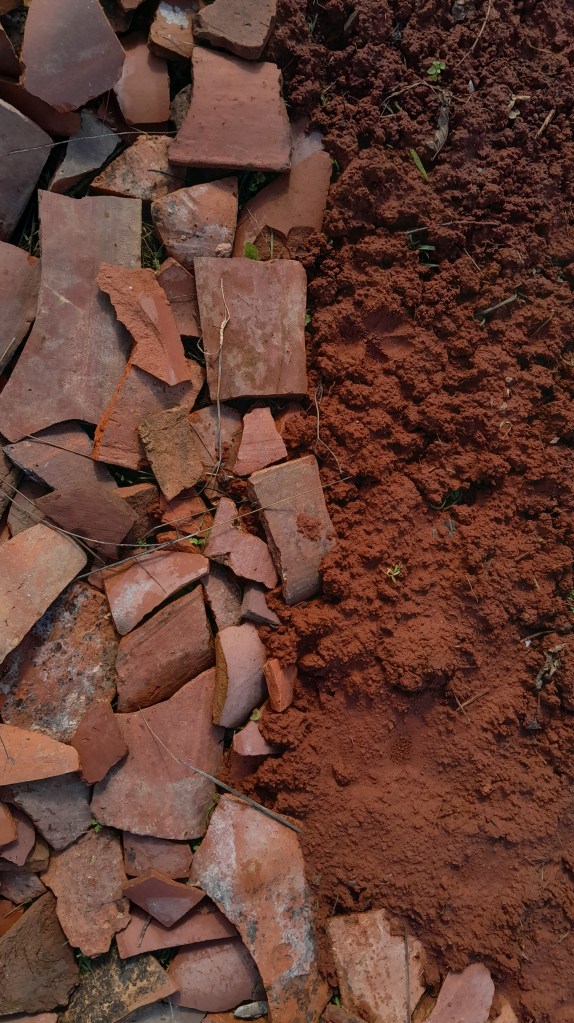
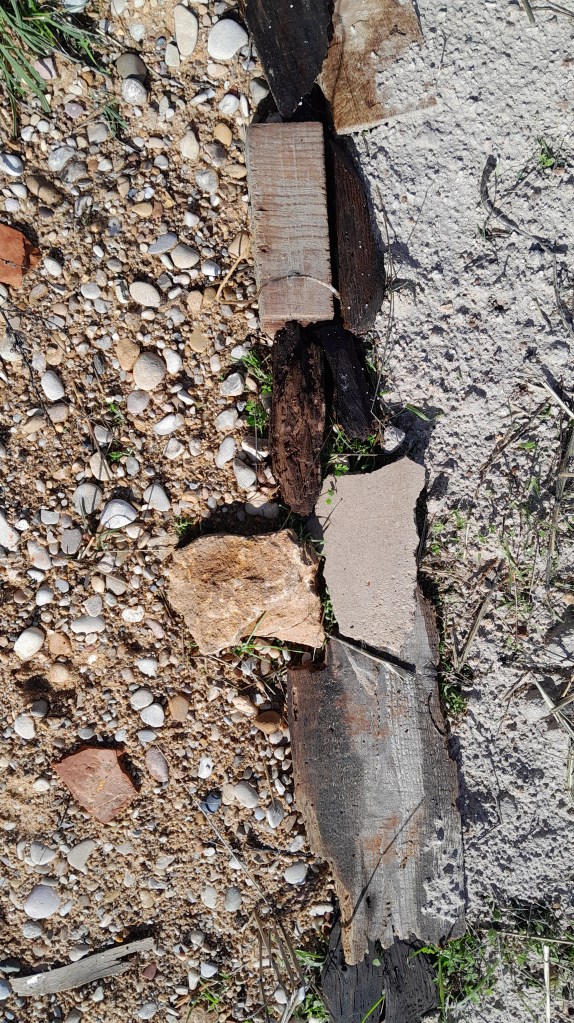
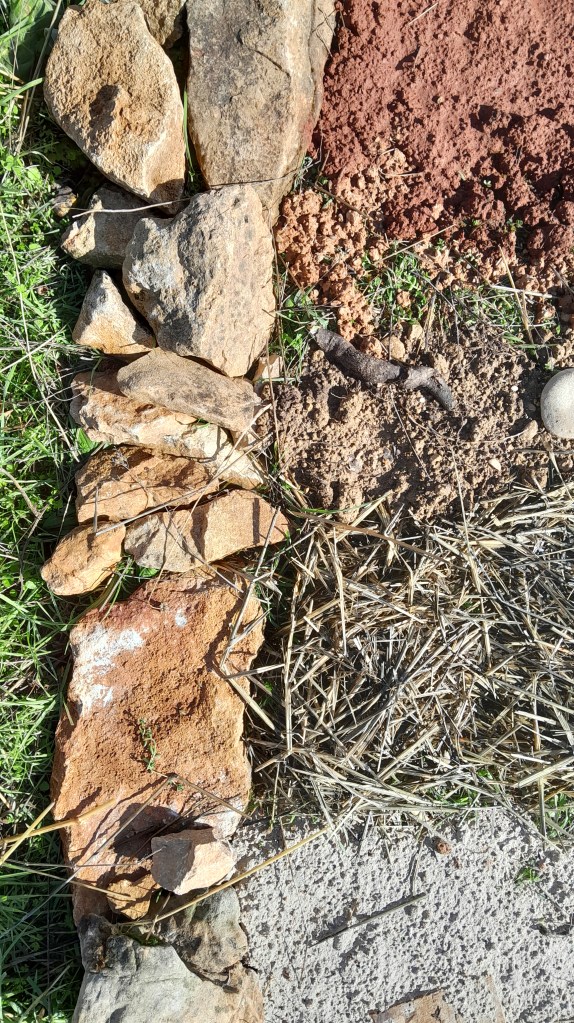
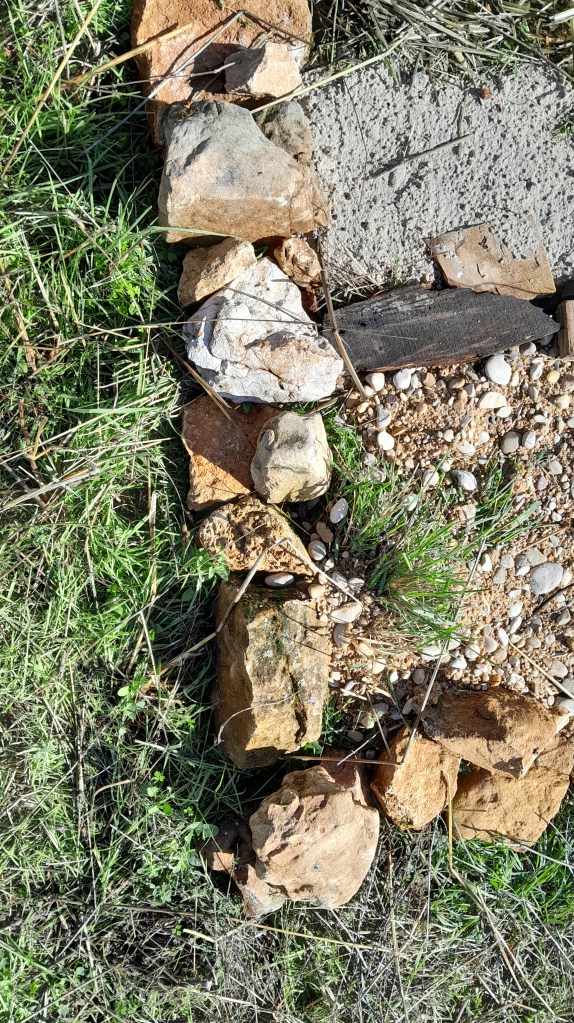
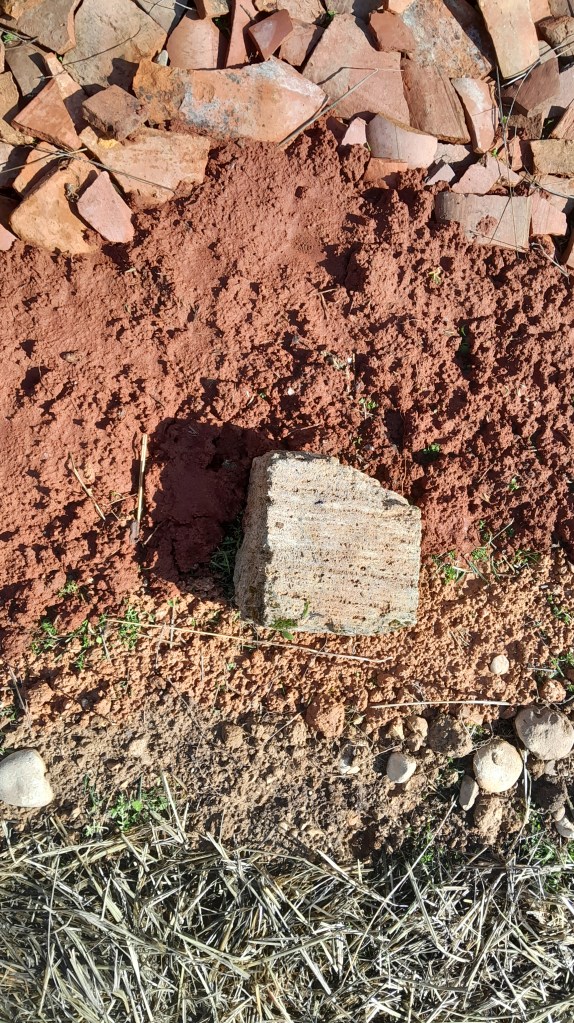
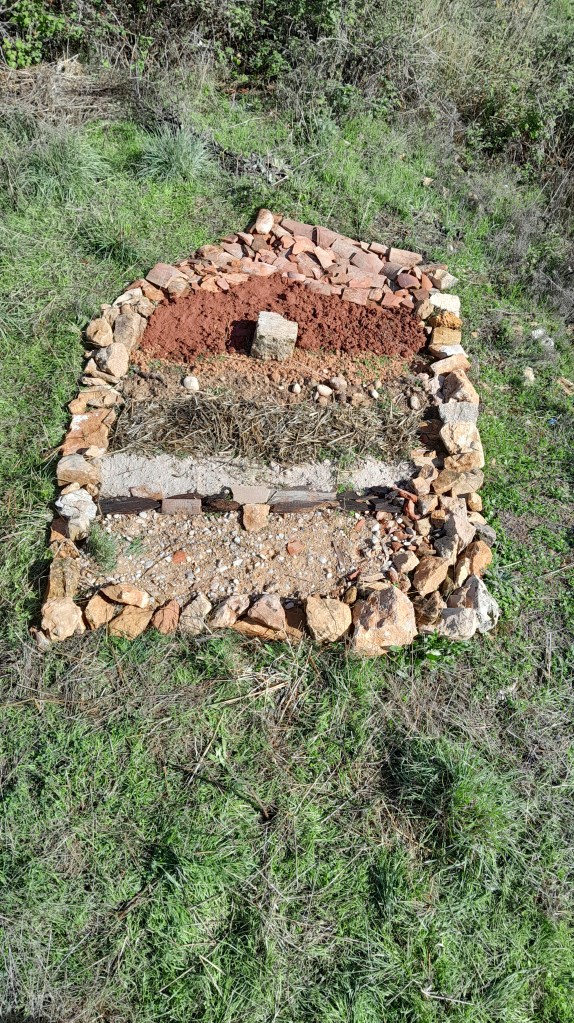
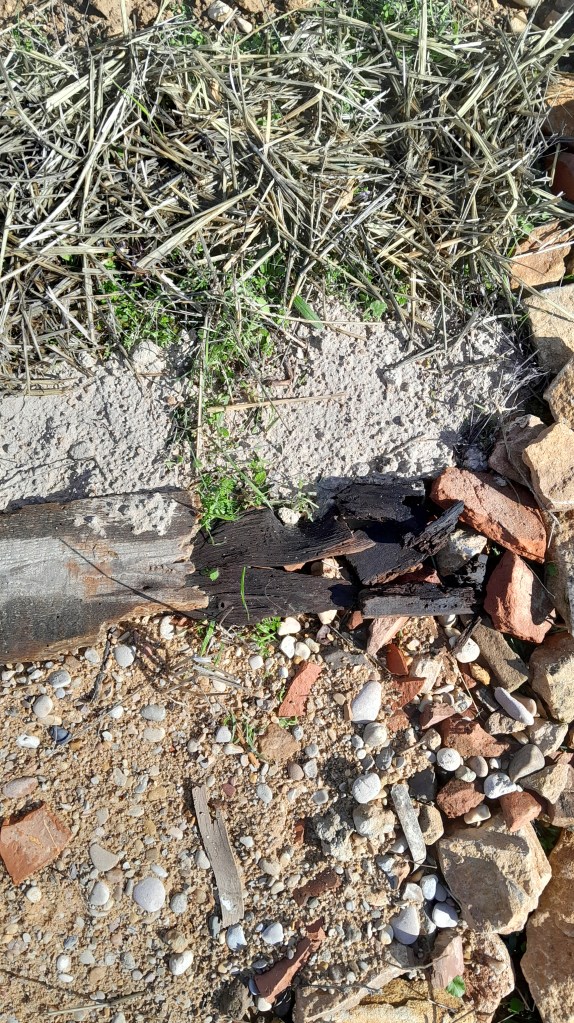
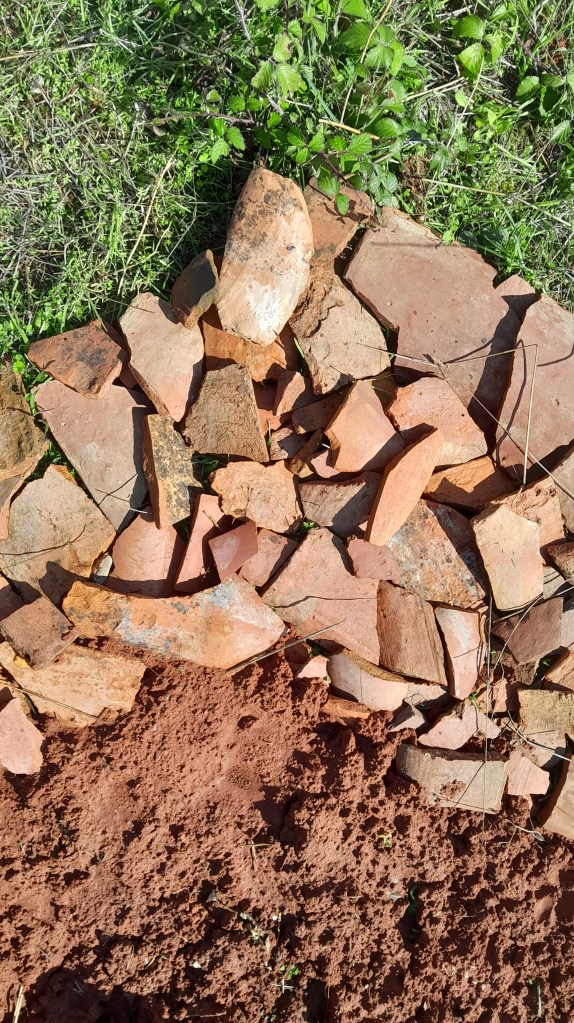
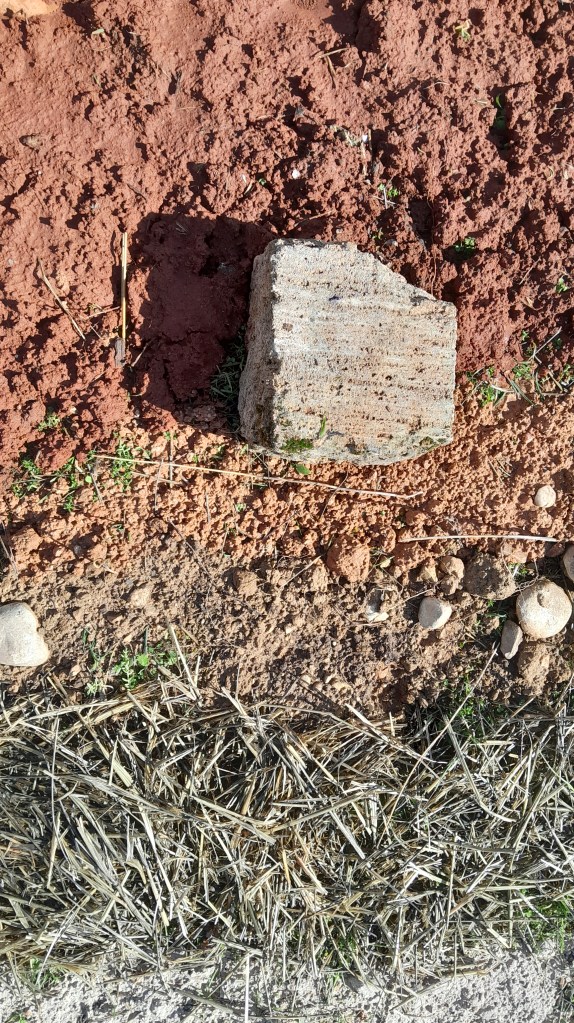
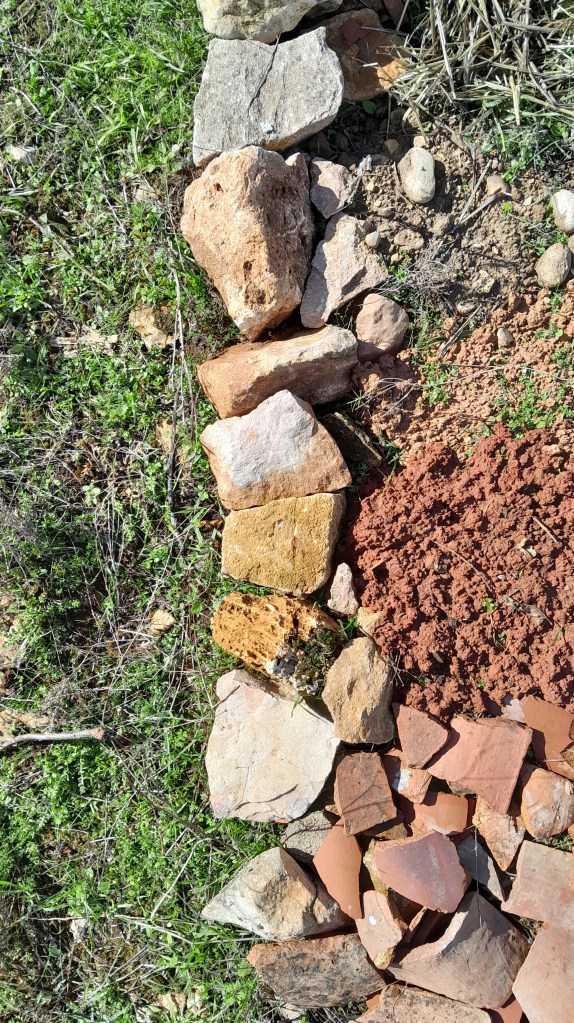
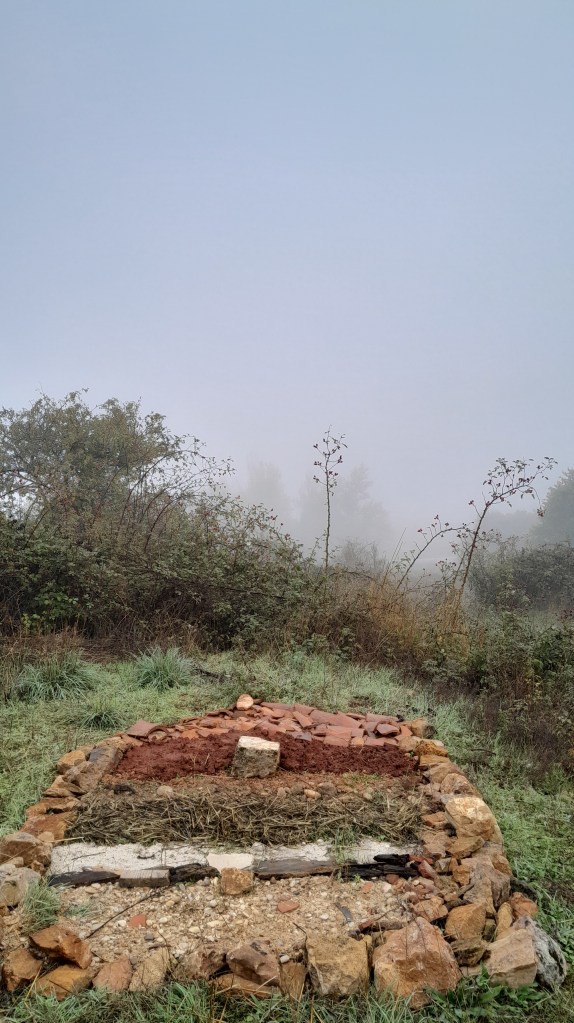
PIEDRAS, MADERA, PAJAS Y TIERRAS (STONES, WOOD, STRAW AND EARTH), a collection of various ruins of houses in La Bureba, a structure built on natural ground, a musical score of the materials that make up a ruin.
As time went by, during our stay we realised that building a place to sit was not in keeping with the site, nor with the research itself. On the contrary, it made much more sense to compose a score using the fragments of the ruins we had collected during our visits; each object is a material that now inhabits this place, and this collection is another way of inhabiting it.
Creating something ephemeral, piling things up in an orderly fashion, may seem like doing less, giving way to the well-promoted market trend that repeatedly sells us the idea that we must consume more to bring about change.
 Rural Apocalypse