In my work, I combine my interest in contemporary painting with photography that bridges the gap between reality and abstraction.
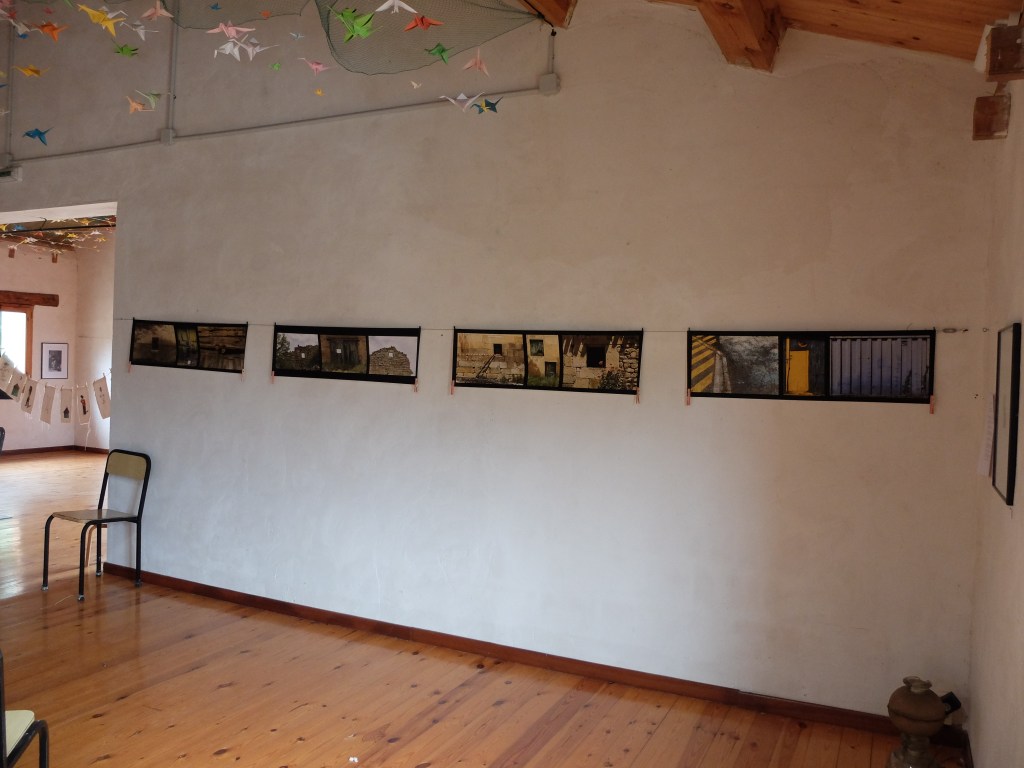
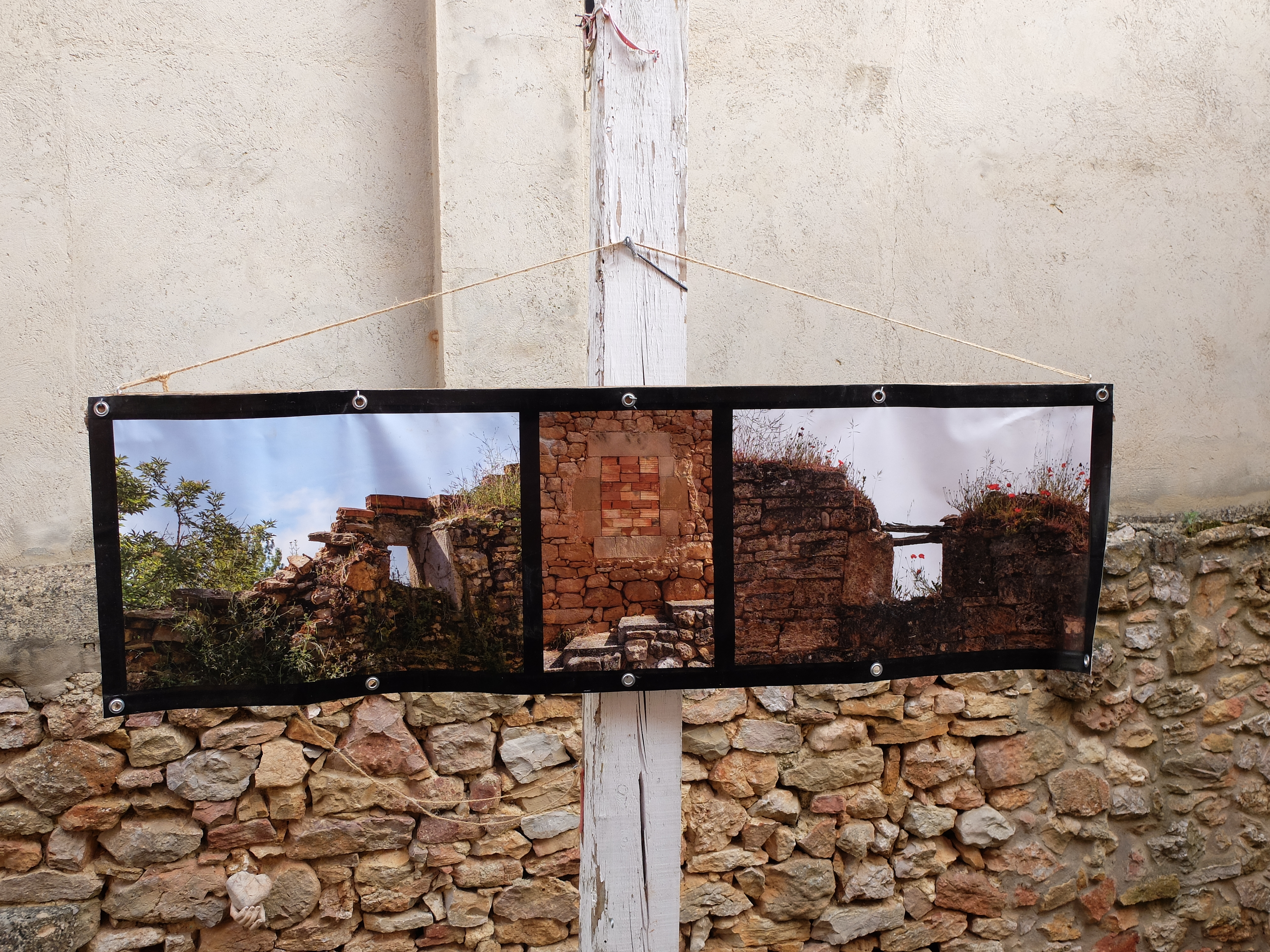
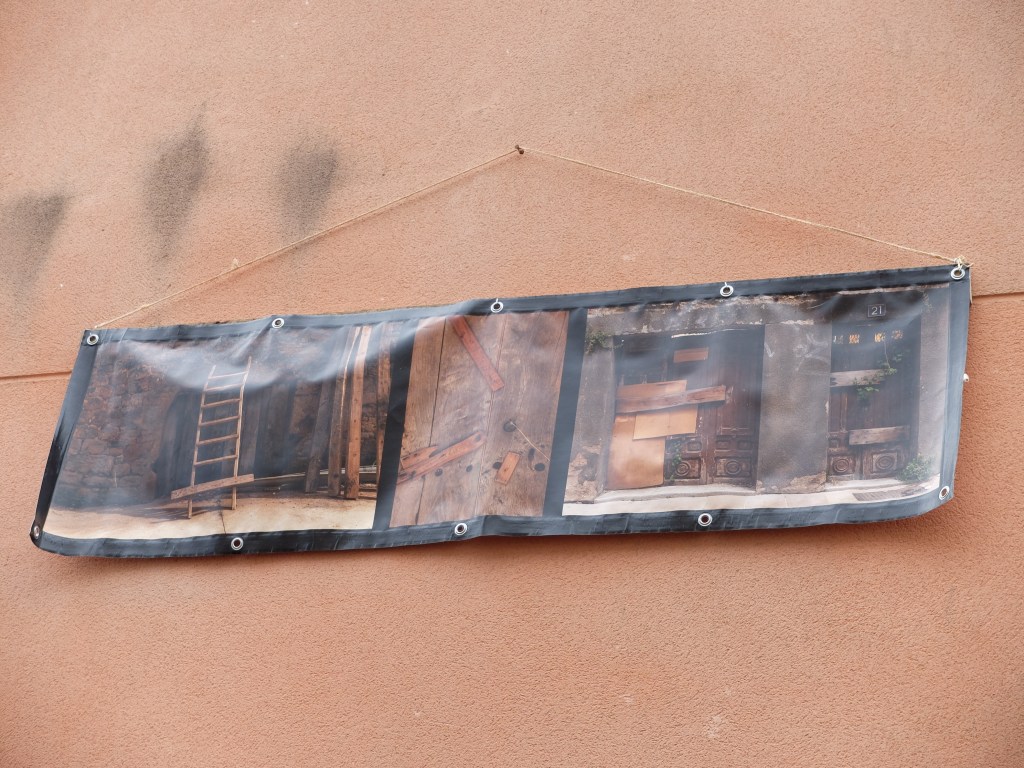
In my triptychs, by interrelating images, I aim to break away from the notion of documentary photography, creating a complex image that distances the viewer from the figurative.
Although each photograph might have value in its own right, the idea is not to present yet another photograph, but rather, when combined, to form a contemporary creation.
My pursuit of abstraction through photography involves neither distortion in the framing nor complex photographic processing. I portray reality exactly as I find it — broken, deteriorated, fragmented, incomplete — without filters. The gaze is the filter.
This working method dates back to the series ‘Diptychs, Triptychs and Polyptychs’ (2007), which can be viewed on my website, alongside several other series of photographic abstractions.
I am interested in using my camera to capture the beauty of what is disappearing, how nature reclaims the places from which it was expelled, how the climate erodes and shapes human constructions, and how this serves to reflect on the transience of ways of life.
In the space where a family once ate and slept, a tree now grows. Where there was once a street, there is now a forest.
Luis Pita, book cover artist, magazine designer and layout artist, illustrator, painter, creator of three-dimensional collages and photographer. He left Madrid and has been living in Aranjuez for the past three years.
In my personal photographic work, I combine my love of contemporary art with the capture of
images that bring reality closer to abstraction.
Ruins appeal to me as a source of abstraction.
I do not seek abstraction through exaggerated close-ups, distorted framing or complex
photographic processes. My quest is the ruin as it is. Unfiltered. Fragmented,
incomplete, historical, narrative. Harmony in chaos.
I am not a ‘professional’ in the ‘urbex’ discipline, but whenever I can I venture into
abandoned and dilapidated places to try to capture their history with my camera.
I observe the ruins as if they were storytellers.
Likewise, I seek to relate the images to one another, creating montages (triptychs or diptychs).
The connection between abstractions helps to create a more complete image that breaks with the
preconceived idea of ‘ruin’ and transforms it into an abstraction. An approach I have already explored in my
series Diptychs, Triptychs and Polyptychs (2007), which can be viewed on my website.
“There is a philosopher I really like, called Gilles Deleuze, and he said something I love:
that we do not live in a civilisation of images, we live in a civilisation of clichés. And our
job is to look at images or create images that deconstruct clichés. That is why I am interested
in connecting images with one another through constant recourse to the idea of montage.
The important thing is to relate images to one another because they do not speak in isolation.”
(Georges Didi-Huberman)
 Rural Apocalypse