A Master’s student in Fine Arts in Rennes, France, she used various media (painting, screen printing, collage, textiles) to explore the concepts of reproduction, appearance and disappearance of images. During my Erasmus year in Madrid, I became interested in how independent art spaces operate in Spain. Alongside my painting practice, I paid close attention to the social role of art, particularly through the creation of collective murals.
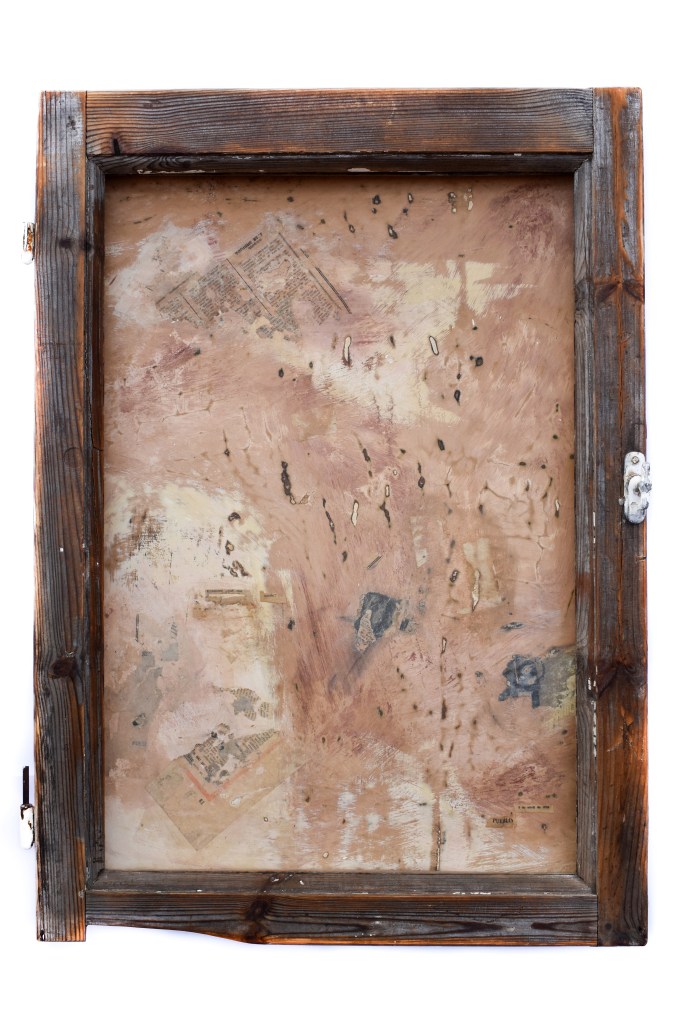
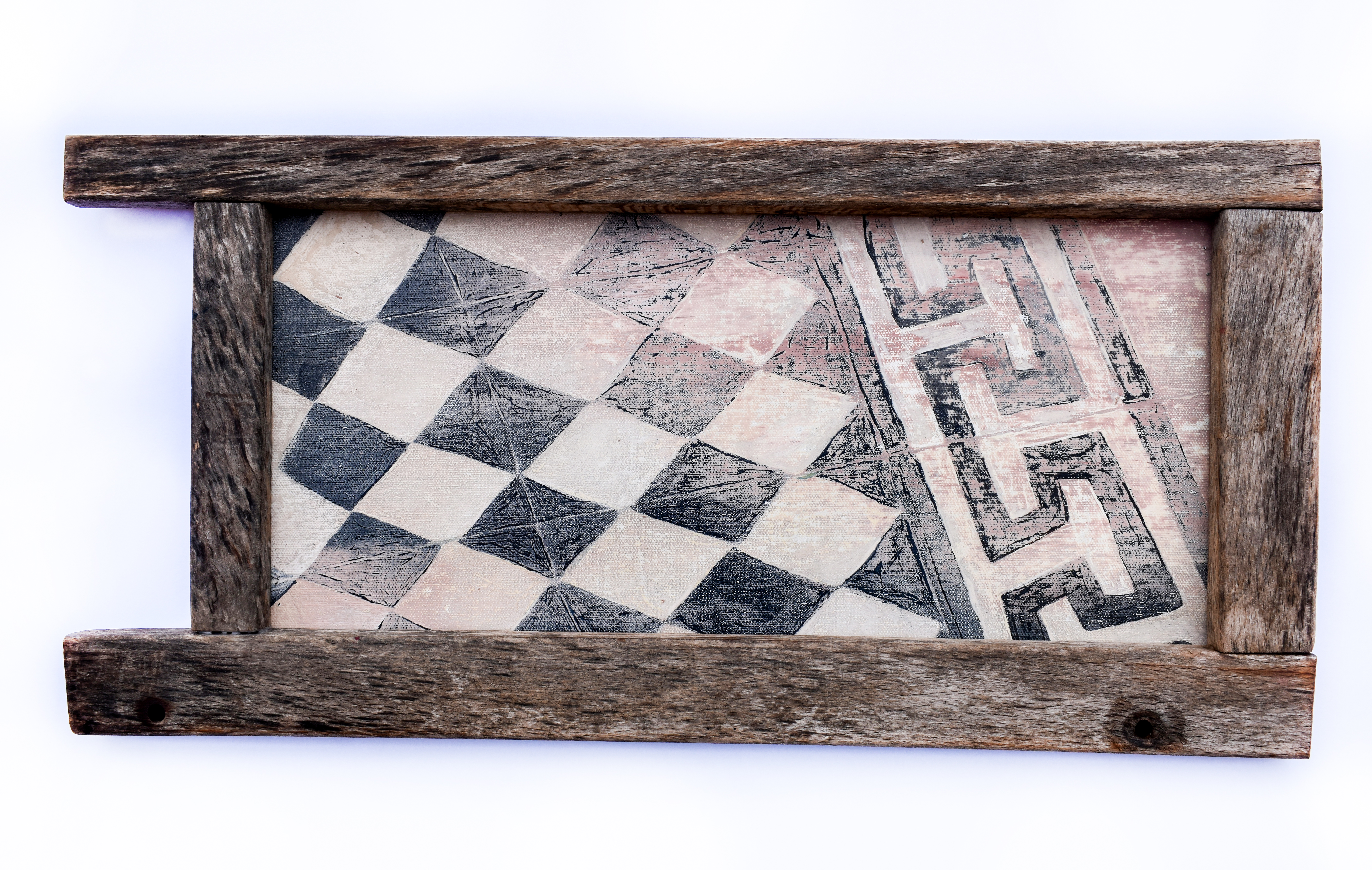
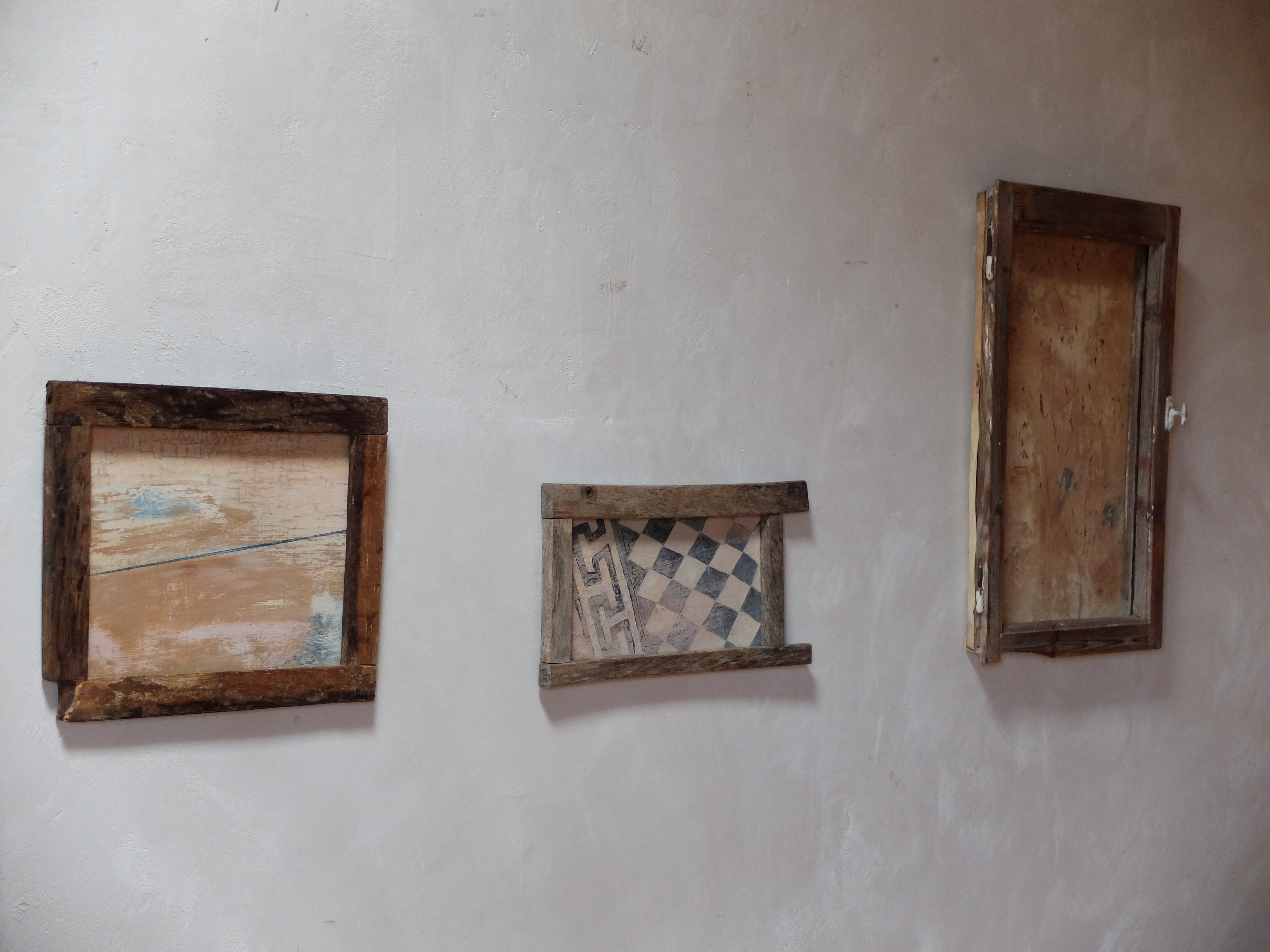
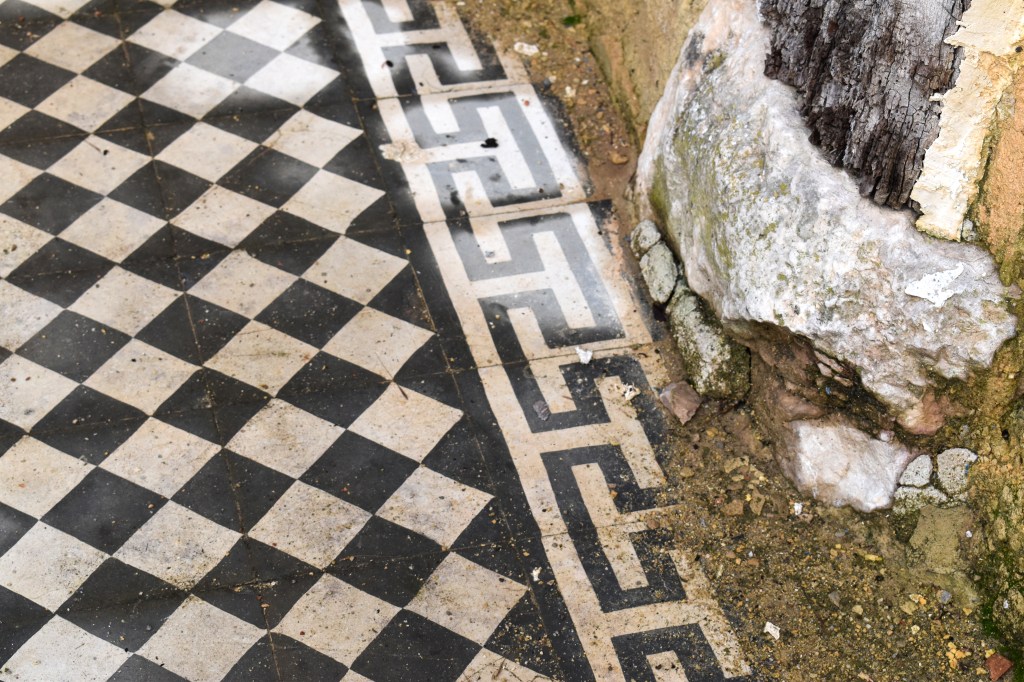
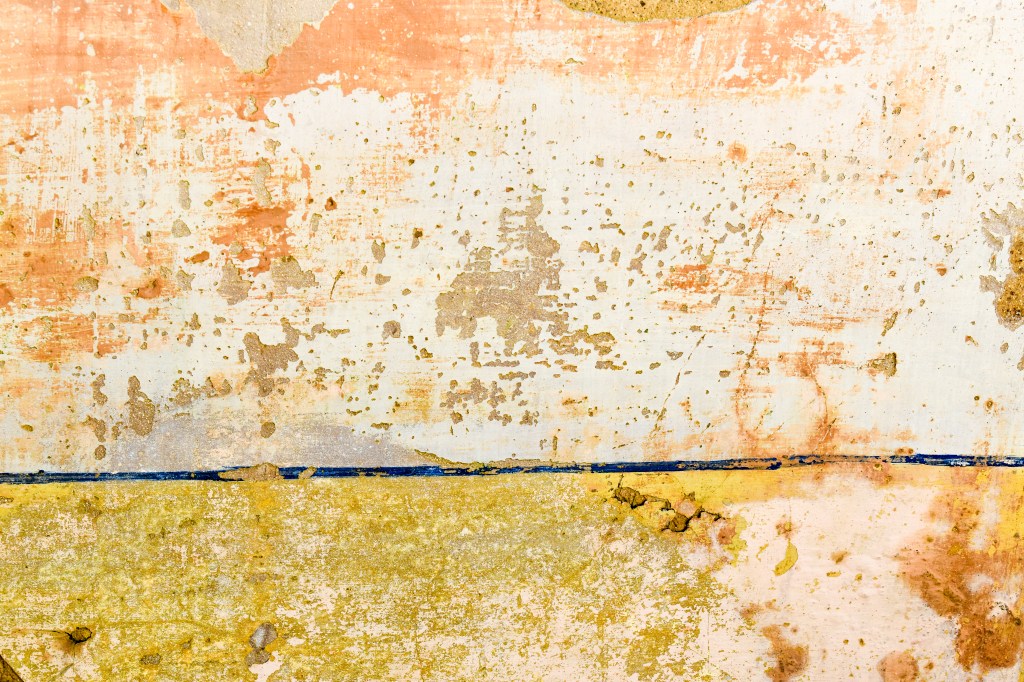
Before arriving at the village, when I imagined “the ruins”, I thought of collapse, stone, cracks… Once there, I was struck by the richness of the paintings on the walls and floors of the houses, and especially those in an abandoned church.
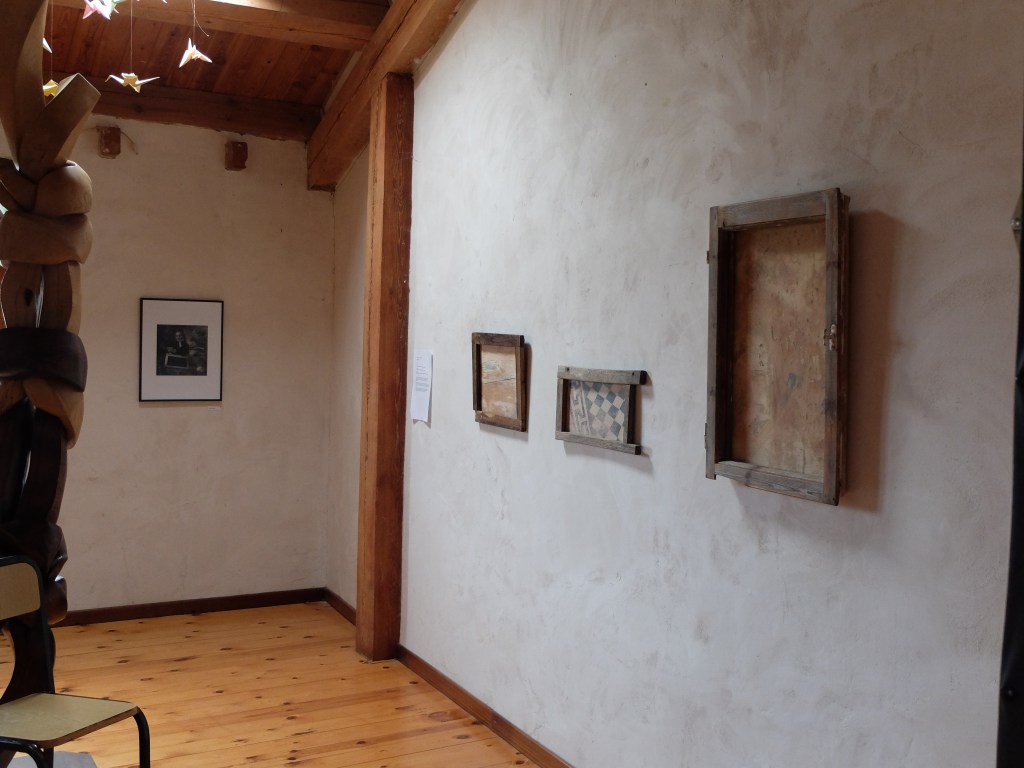
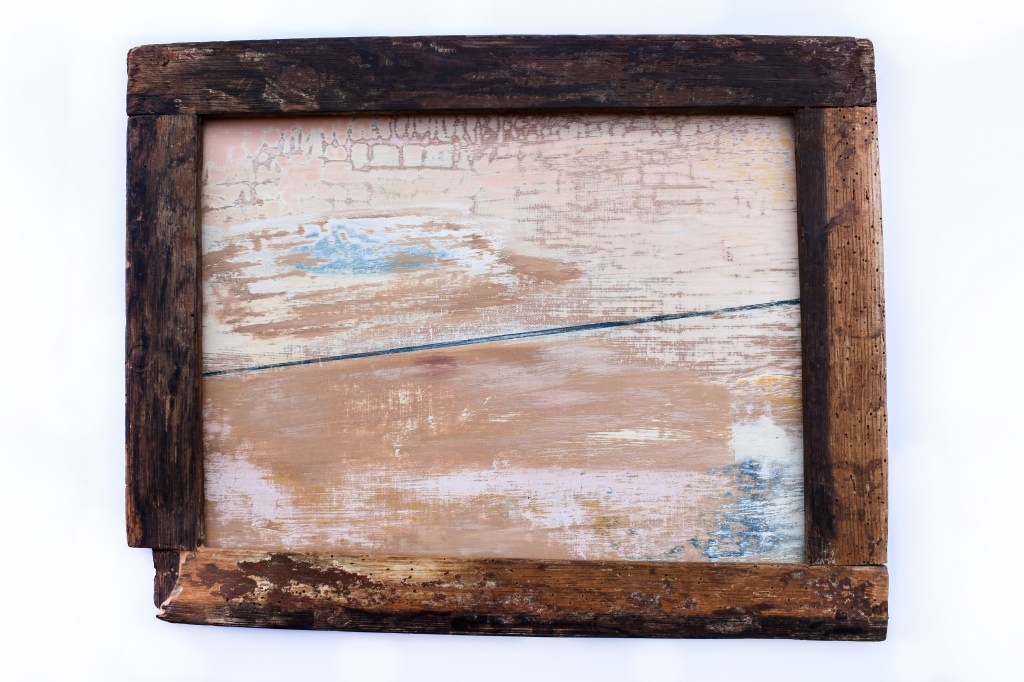
‘So, what do we have left?’ is an invitation to take a closer look at the ruins and what they offer us: the shapes, the patterns, the colours… All the details on the walls and floors that remain there and pose questions to us about past lives and what remains of them.
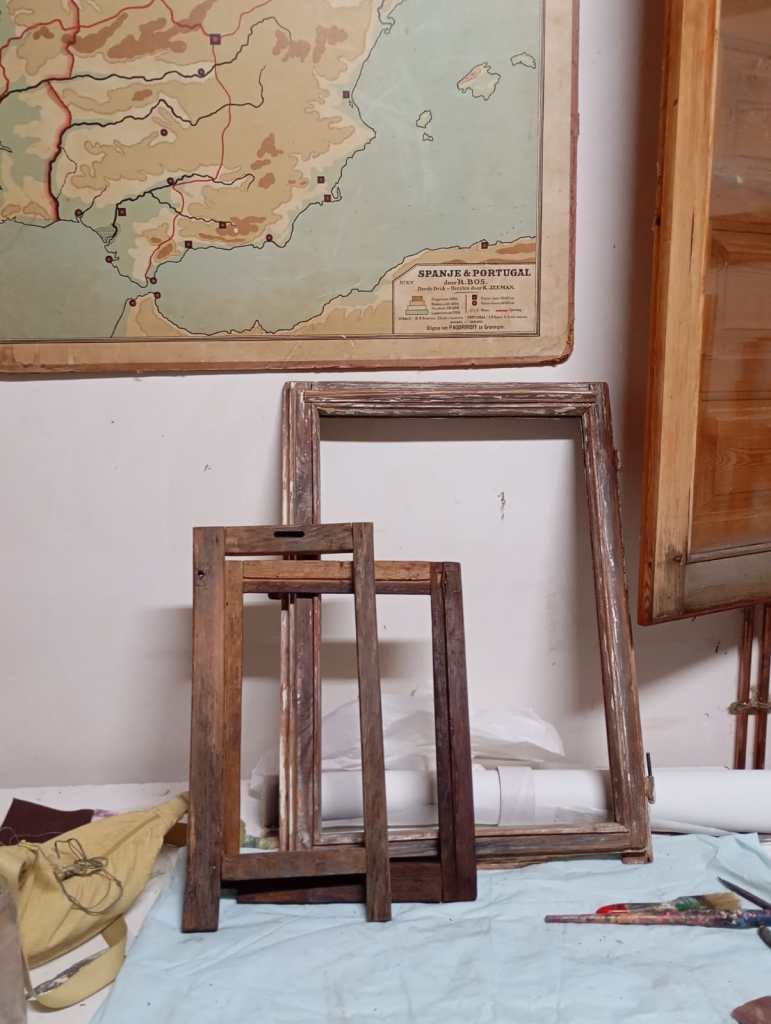
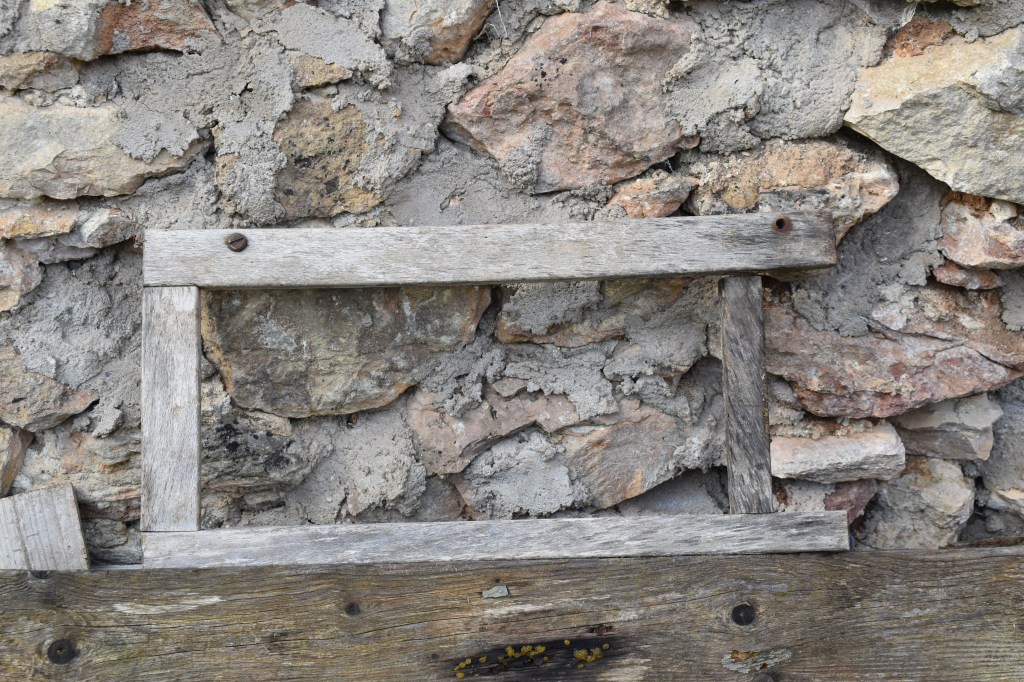
All the frames were salvaged from ruins: two windows from La Aldea and a frame from a small church in Hierro. I found the newspaper used in one of the paintings in the abandoned church in Tamayo.
“Stone?
Stone.
Stone!
Stone…
I hear you,
I see you bouncing off this façade.
The cracks in the walls scream your path to us.
Wall,
you who sheltered life,
Wall, these people, these stories, have gone with the other
walls alongside which you lived.
Stone,
House,
House,
The cracks and lines of your wounds remind me of the veins of
your body.
Dry veins that want to tell us your story.
Stone,
Stone,
You have changed since the last time I saw you,
The vegetation gives you a more cheerful complexion.
Wall,
You have changed since the last time,
I see you happier, embracing life again,
I can see it in your colours.
Wall,
These words, these images, 21st-century paintings,
Wall, I feel you are alive again.
Stone,
Your echo whispers to us
Stone?
It echoes…
Stone…
Stone
We hear you.‘’